AB 1303 (Valencia) – Passed by the Governor
Lifeline SSN and Data Privacy
Congratulations, and thank you for your help. 1303 has been signed by the Governor!
AB 1303 strengthens privacy protections for California Lifeline Program applicants by making it optional to provide a Social Security number during enrollment. This ensures that more California ratepayers can access affordable phone and broadband services without unnecessary barriers. Additionally, the bill enhances consumer privacy by prohibiting the sharing of customer data with state or federal agencies unless authorized by a judicial warrant from a California judge. By prioritizing accessibility and data security, AB 1303 helps protect vulnerable communities while maintaining strong consumer rights.
Sponsored By


Source: Communications Daily | By Philip Athey
Ryan Johnston, a telecom regulatory attorney for TURN, said that beyond the Verizon/Frontier merger requirements, the condition could undermine California’s Lifeline program and possibly even its carrier of last resort (COLR) obligations and minimum service quality requirements for both phone and internet use. While the state would receive its $1.4 billion in deployment funding, “when you look across at something like the California Lifeline program, saving about 1.7 million people $20 a month for the next 14 years, that comes out to... almost $5 billion itself,” he said. “There is not an equal weight on both sides of the scale here.”
Consumer advocates in California are calling on state officials to fight a provision added to the BEAD program by the Trump administration that would require the state to stop enforcing its net neutrality law and consumer protections on BEAD subgrantees for 14 years.
Source: Consumers’ Checkbook | By Herb Weisbaum
Ryan Johnston, a lawyer with The Telecom Regulatory Reform Network (TURN), a consumer advocacy group in California, called the original rule “a really good transparency tool” that was working as intended. “It’s pretty straightforward. We all know how to read food product labels,” Johnston said.
The Federal Communications Commission (FCC), which has become far more business-friendly under the Trump administration, has ordered changes to its broadband label rule. The original rule, approved during the Biden administration, made it more difficult for companies to obscure the full prices of their services.
Source: Communications Daily | By Philip Athey
Alexandra Green, a telecom and regulatory attorney for The Utility Reform Network, told us her organization also favored the Ormond proposal and was disappointed that the CPUC didn't require enough consumer protections in the merger agreement.
The California Public Utilities Commission (CPUC) unanimously approved the $34.5 billion Charter/Cox merger with some conditions in a Thursday vote, clearing the way for the resulting company to become the largest ISP and cable provider in the nation. The merger was previously approved by the FCC and DOJ, as well as regulators in New York and Connecticut. California was the final regulatory hurdle.
Source: The Plumas Sun |
If the FCC grants AT&T’s petition, the company could move forward with abandoning universal service obligations that millions of Californians rely on, particularly those living in rural communities. RCRC joined a coalition of organizations, such as The Utility Reform Network, California Alliance for Digital Equity, California State Association of Counties and the Communications Workers of America, in submitting comments to the FCC on July 7 and July 22.
The Rural County Representatives of California reports that, in coordination with a broad coalition of consumer, local government, labor, agricultural and public interest organizations, it has filed comments with the Federal Communications Commission opposing a threat to universal telephone service protections.
Source: Broadband Breakfast | By Jake Neenan
The Utility Reform Network, a California advocacy group that did not settle and has opposed the deal, wanted the CPUC to go even further. The group generally supported the agency adopting Ormond’s proposal over Baker’s, as did another set of in-state advocacy groups like Digital Equity Los Angeles. TURN attorney Alexandra Green wrote that the number appeared to come from a filing in which Charter said there were 6,000 un- or underserved locations in its footprint, but that the number should be increased to account for the addition of Cox locations.
Charter and Cox Communications want California regulators to approve their $34.5 billion merger with fewer strings attached than consumer advocates. The California Public Utilities Commission is set to vote on approving the deal at its Aug. 13 meeting. Unusually for recent telecom mergers, the agency will have two proposed decisions to choose from.
Source: Benton Institute for Broadband and Society | By Kevin Taglang
During the 2026 proceeding, AARP and TURN argued that the telephone remains a preferred channel for older adults, lower-income households, and consumers with limited digital literacy—and, as TURN noted, for people who do not yet have broadband and are calling to find out what it costs. TURN cited 2023 American Community Survey data showing that "80 percent of adults with vision difficulty own a smartphone, against 62.7 percent with home broadband service."
If you shop for home internet service in the coming months, something on the screen may look different. For the past two years, providers have had to show you a standardized "broadband label"—a black-and-white box modeled on the nutrition panel on a cereal box, listing the monthly price, what happens when the introductory rate expires, the typical speeds, the latency, the data allowance, and each fee added on top. The label had to sit right next to the advertised plan.
Source: Washington Watch | By NECA
TURN, et al. said comments in this record show AT&T’s application to relinquish its ETC designation will not have positive effects for California consumers. They said if the FCC grants AT&T’s petition before the CPUC can finish its investigation, consumers will be left with inadequate or nonexistent replacement services. all replies available | public notice | order
In addition to reply comments listed in a previous edition of Washington Watch, replies were filed on July 22, 2026, on AT&T’s petition seeking forbearance from Section 214(e) eligible telecommunications carrier requirements within its California service territory.
Source: WAshington Watch | By NECA
TURN said this area of policy has been left to the states and Section 253 delegates to the states the authority to regulate to preserve and advance universal service.
The Utility Reform Network met with Commissioner Gomez’s advisors on July 16, 2026, regarding AT&T’s petition for a ruling that any California regulation that interferes with its ability to discontinue POTS is preempted by the FCC and petition for forbearance from Section 214(e) ETC requirements in California.
Source: Washington Watch | By NECA
TURN said this area of policy has been left to the states and Section 253 delegates to the states the authority to regulate to preserve and advance universal service. TURN also said while AT&T Phone- Advanced has been approved in other states, none have a comparable topographical range or similar extreme weather events to California. Additionally, TURN said it had some preliminary concerns about the June 2026 E-Rate NPRM and urged the FCC not to let E-Rate become a victim of its own success.
The Utility Reform Network met with Commissioner Gomez’s advisors on July 16, 2026, regarding AT&T’s petition for a ruling that any California regulation that interferes with its ability to discontinue POTS is preempted by the FCC and petition for forbearance from Section 214(e) ETC requirements in California.
Source: Communications Daily | By Matt Daneman
In a docket 22-2 filing last week recapping meetings with the offices of Chairman Brendan Carr and Commissioner Olivia Trusty, the Utility Reform Network said labels will be less effective if the FCC drops the requirement to display them online in full next to a plan that a consumer could purchase. Cutting the machine-readability requirement, meanwhile, hurts people who rely on screen readers and other assistive technologies, the group said. It also urged the commission to keep fees and state and local taxes broken out into their own line items.
Consumer advocacy groups and others are expressing concern that the FCC's proposed changes to its broadband consumer label rules focus heavily on easing the requirements for providers when the greater problem is their widespread lack of compliance.
TURN Newsroom

SAN FRANCISCO— The California Public Utilities Commission today agreed to reduce the temperature that triggers a statewide ban on utility disconnections to 90 degrees Fahrenheit, rejecting corporate utilities’ proposal to keep the threshold at 100 degrees.
Oakland, CA - Today, The Utility Reform Network (TURN) has filed a motion to intervene in AT&T’s federal lawsuit against the California Public Utilities Commission and California Attorney General. TURN submitted this filing in partnership with the California State Association of Counties (CSAC), Rural County Representatives of California (RCRC), and the Communications Workers of America (CWA).
SACRAMENTO – Yesterday, Senator Steve Padilla (D-San Diego) introduced Senate Bills 886and 887, two measures designed to protect California ratepayers from the potential increased costs and environmental damage caused by data centers.
Oakland, CA — The Utility Reform Network (TURN) is calling on PG&E customers to raise their voices against PG&E’s proposed rate increases, which could drive monthly bills up by $42—totaling more than $500 annually—by 2030…
Coalition applauds Senate’s SB 254 release; calls for swift passage alongside CAP’s affordability measures for both immediate relief and long‑term savings…
Sacramento, CA — The Utility Reform Network (TURN) released their 2024 Legislative Affordability and Accountability Scorecard today, evaluating lawmakers’ commitment to utility affordability and accountability during the 2024 legislative session.
On May 10, the California Public Utilities Commission (CPUC) issued a proposed decision to dismiss AT&T’s application to withdraw as Carrier of Last Resort (COLR), requiring AT&T to continue to provide landline telephone service to all customers in its territory in California…
Yesterday, the California Public Utilities Commission (CPUC) voted unanimously to consider proposals to improve service quality requirements for telephone service, and expand service quality requirements to cover Voice over Internet Protocol (VoIP) phone…
Yesterday, the California Public Utilities Commission (CPUC) unanimously approved a grant program to help local agencies develop local public broadband networks. Soon, local agencies and Tribal governments will be able to apply for grant funds to…
TURN Press Releases

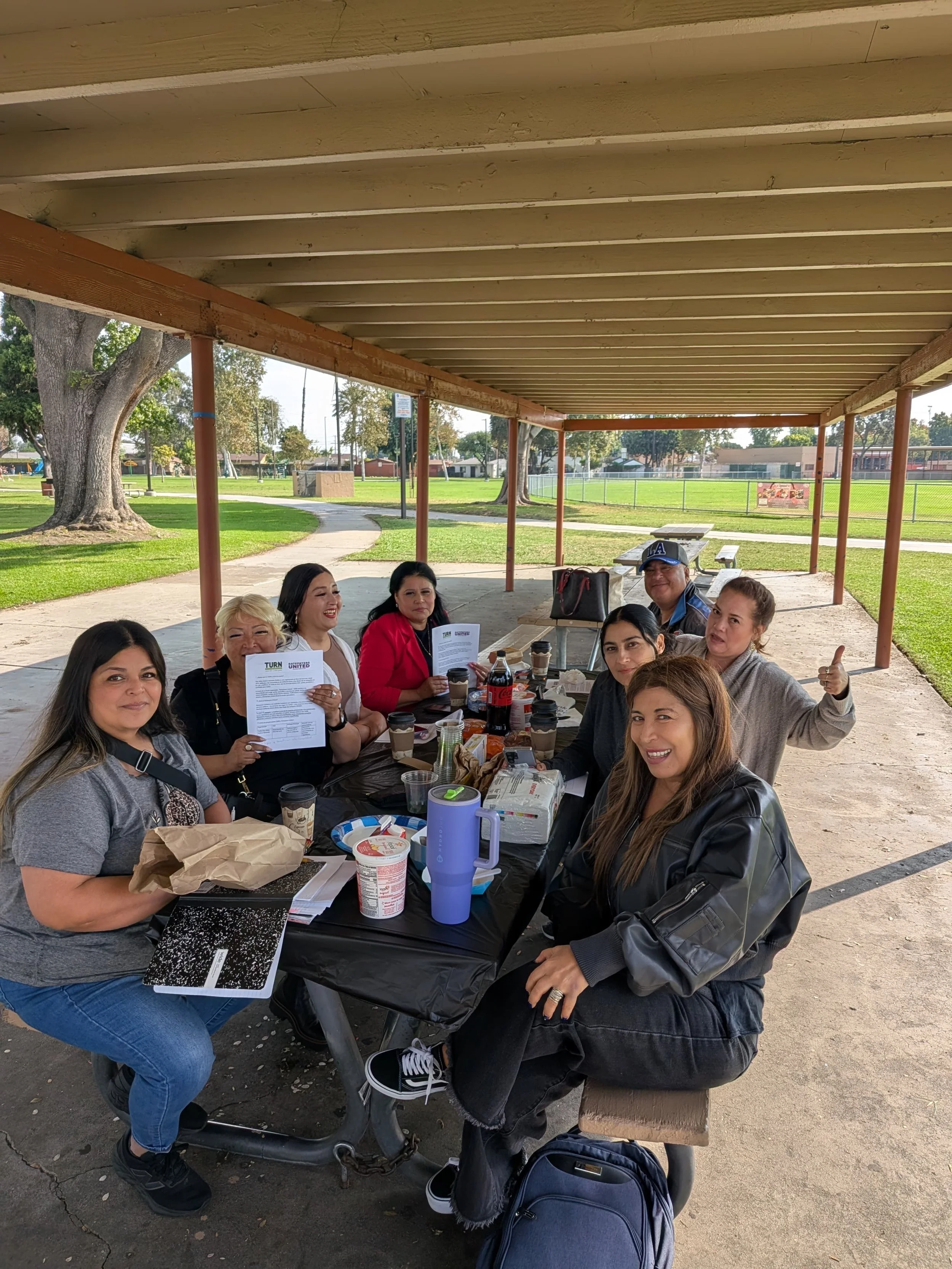
TURN/Ratepayers United attended Centro La Familia Advocacy Services’ Neighborhood Resource Fiesta Night in Fresno County.

Guest speaker Gabriela Sandoval, Deputy Director of The Utility Reform Network at the Sustainable Right to Energy and Economic Justice event September 24th 2026 in New York.
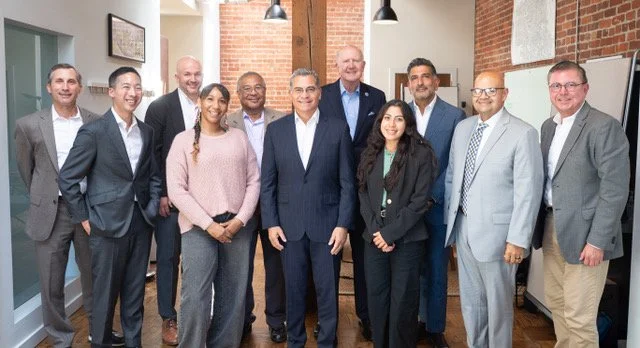
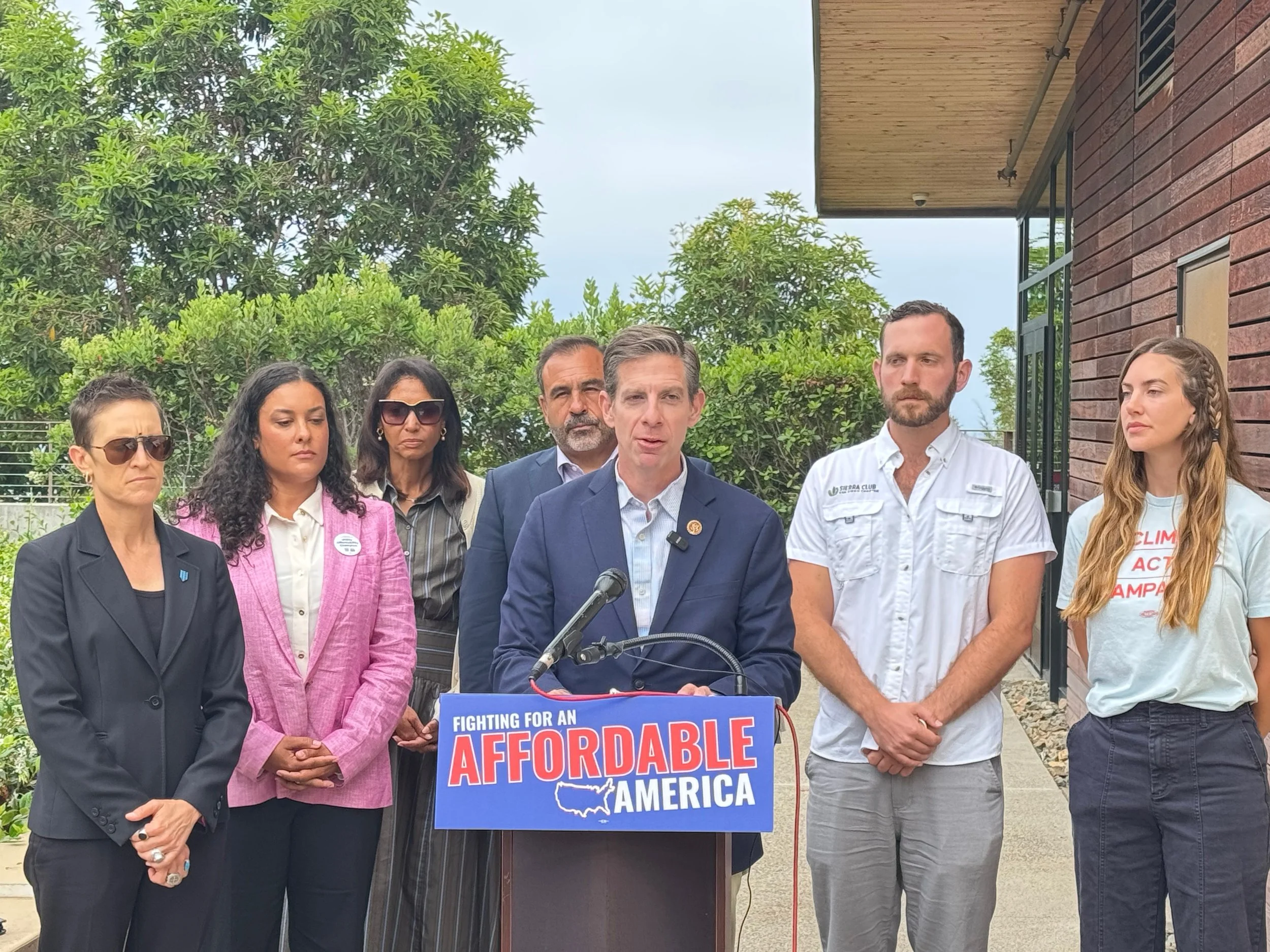
Adria Tinnin, Director of Race Equity and Legislative Policy, joined a roundtable of stakeholders to provide Congressman Mike Levin feedback and suggestions on what can be done at the federal level to achieve utility affordability in California.
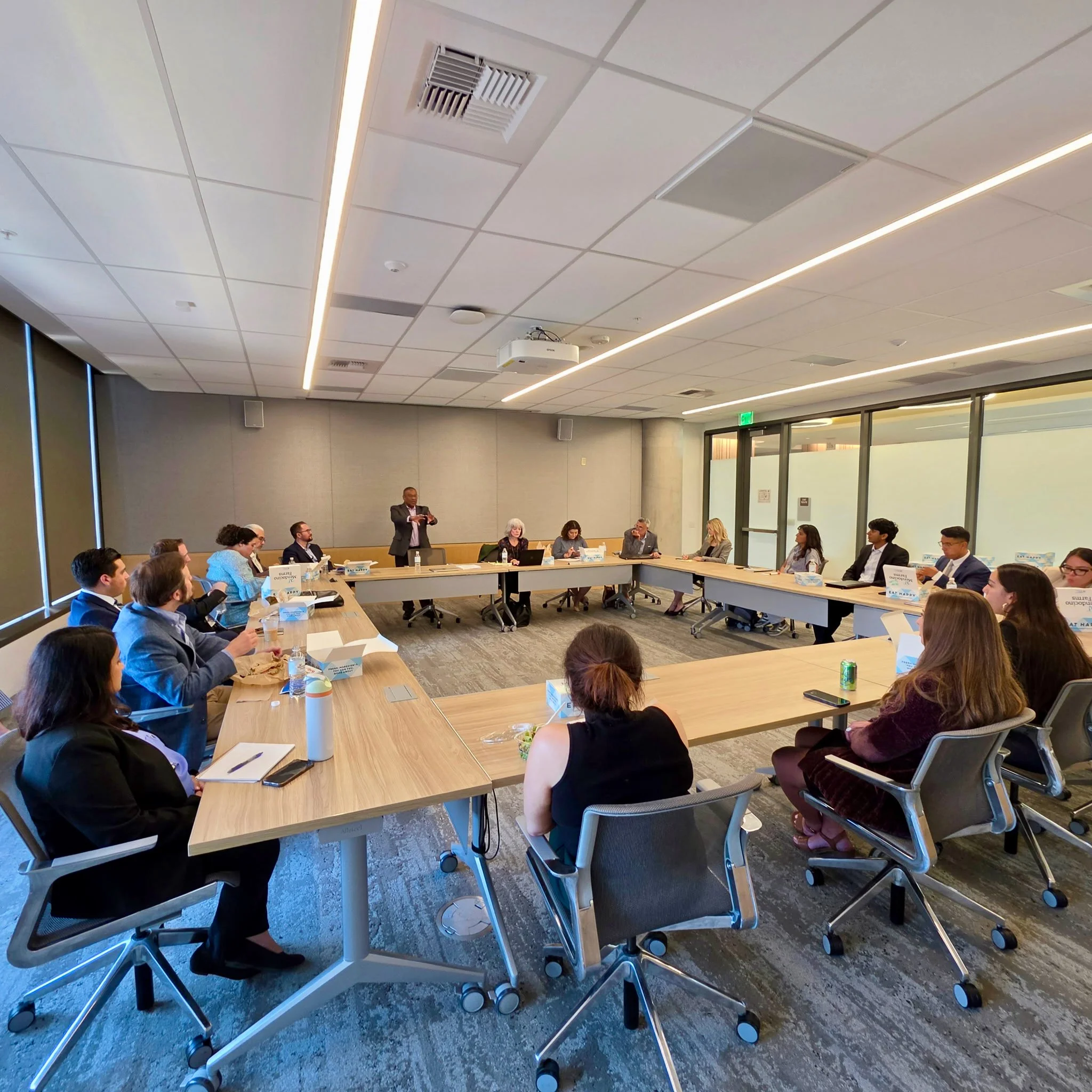
TURN Executive Director Mark Toney briefs updates members at an August 2026 Wildfire Legislative Briefing.
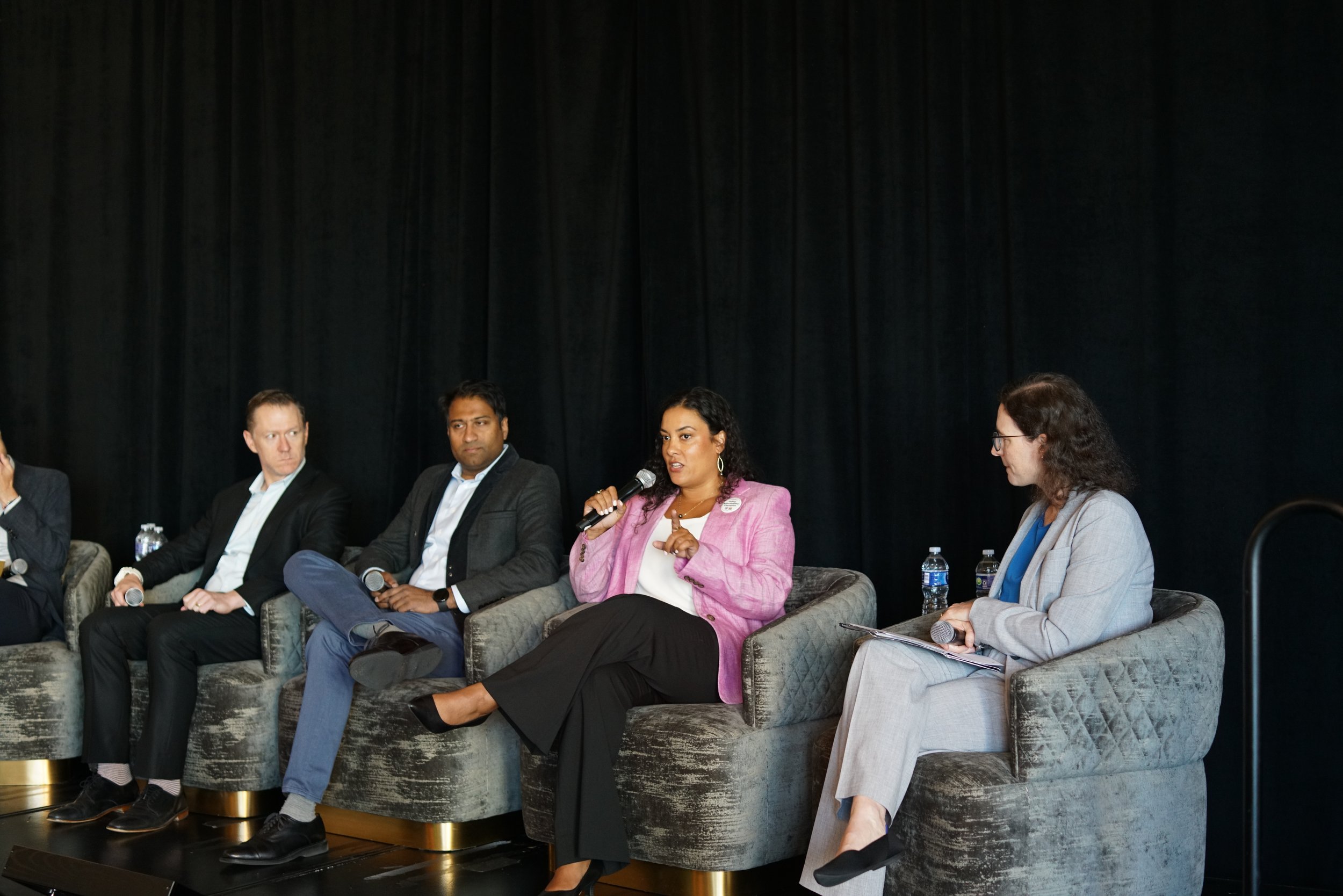
Adria Tinnin speaking on a panel about electricity affordability at Advanced Energy United’s California Powers Up.
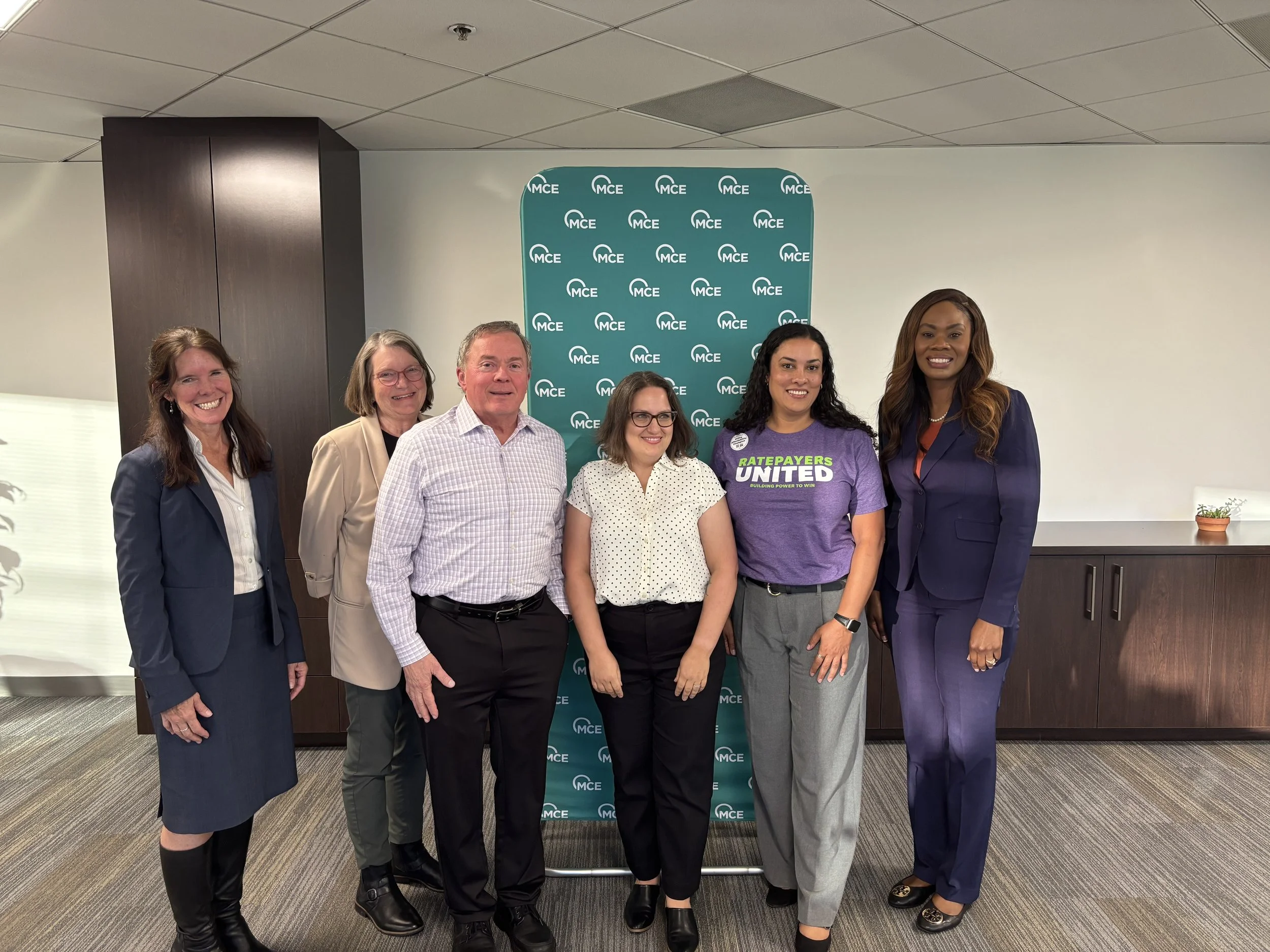
Four Bay Area environmental leaders have been recognized for their outstanding dedication to building cleaner, healthier, and more resilient communities.

TURN's Legislative Champions Awards celebrated key legislators who championed affordable bills and corporate accountability, exercising courage to put the needs of residents and businesses over the greed of corporate profits.

As California races to break its dependence on fossil fuels and expand clean energy, a new power player is emerging: data centers.
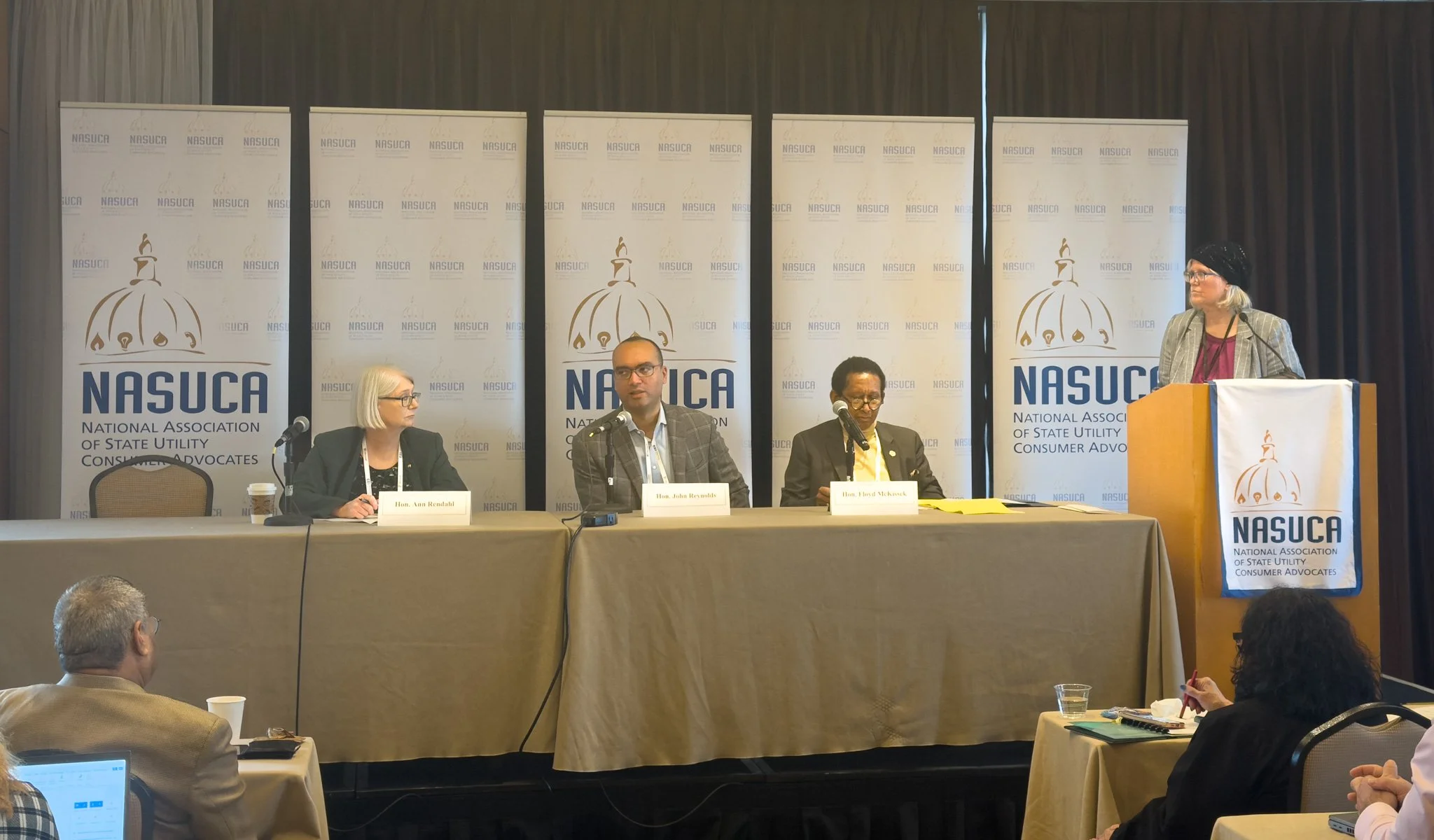
TURN Telecom Policy Director Regina Costa, moderating a panel at a national policy conference in Seattle, with Washington State Commissioner Ann Rendahl, CPUC Commissioner John Reynolds, and North Carolina Commissioner Floyd McKissick.
TURN In Action
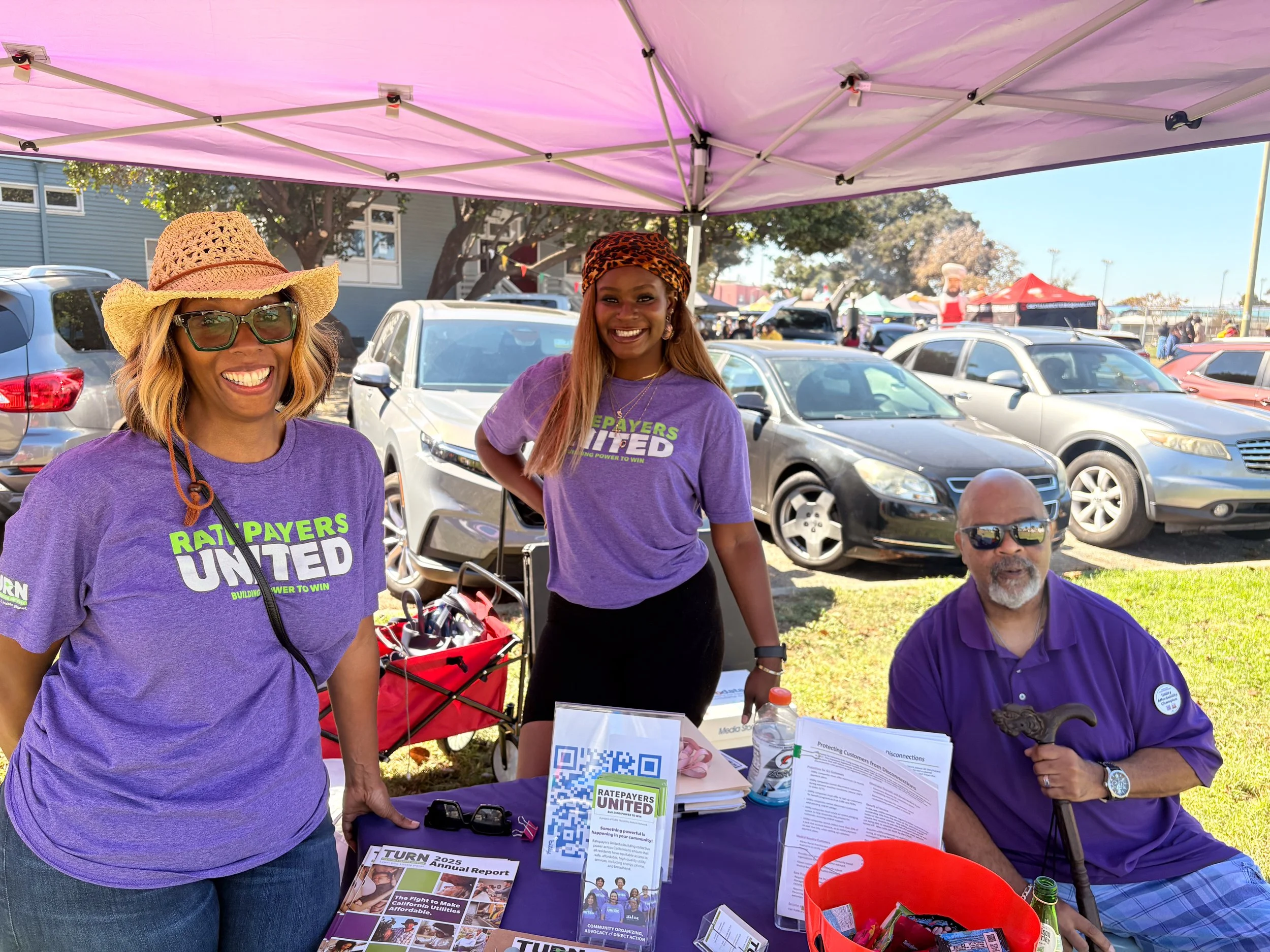
he Oakland Black Cowboy Association’s (OBCA) 52nd Annual Parade and Festival brought the Oakland community together to celebrate Black cowboy history, culture, family, and community pride.

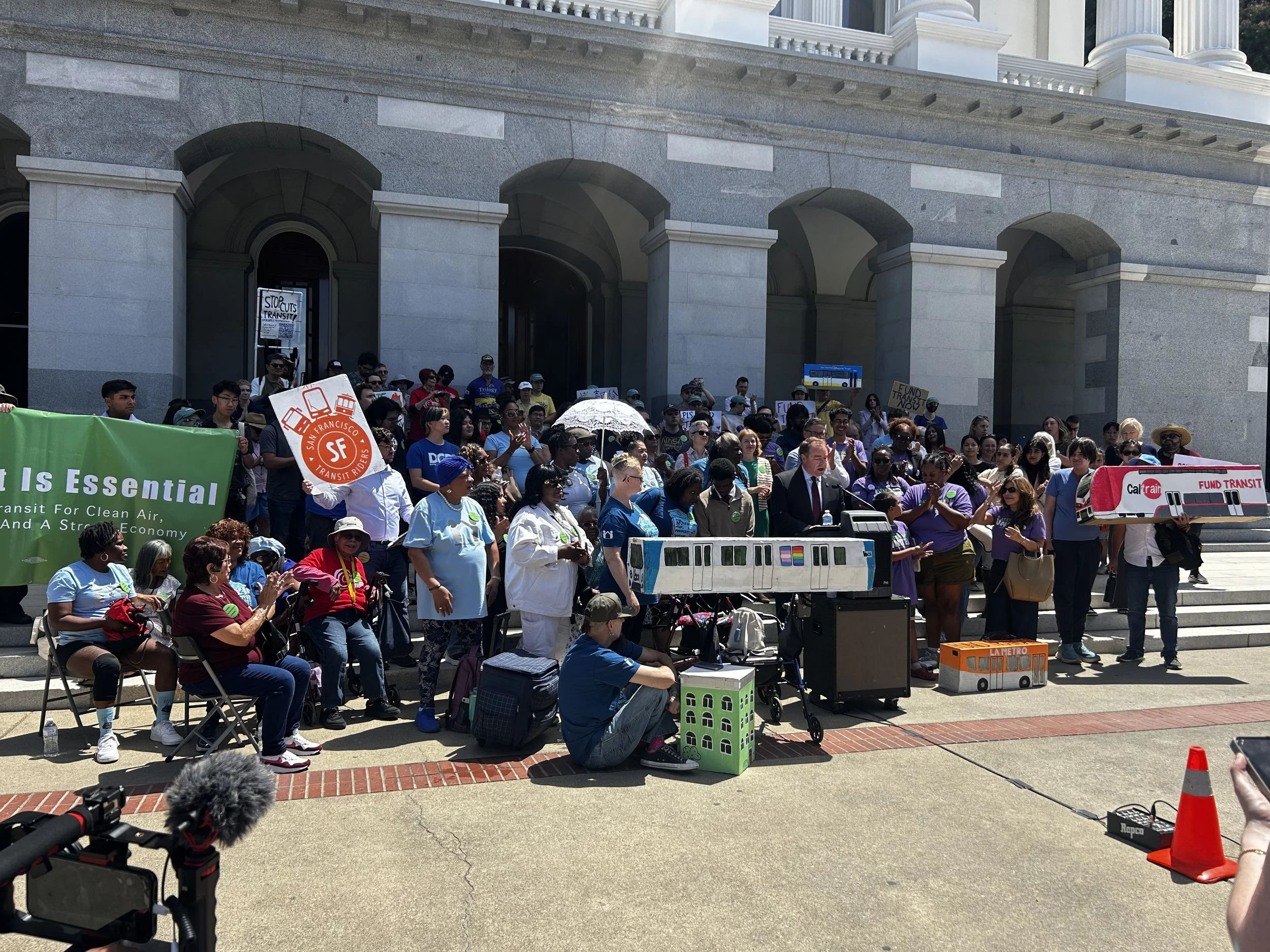
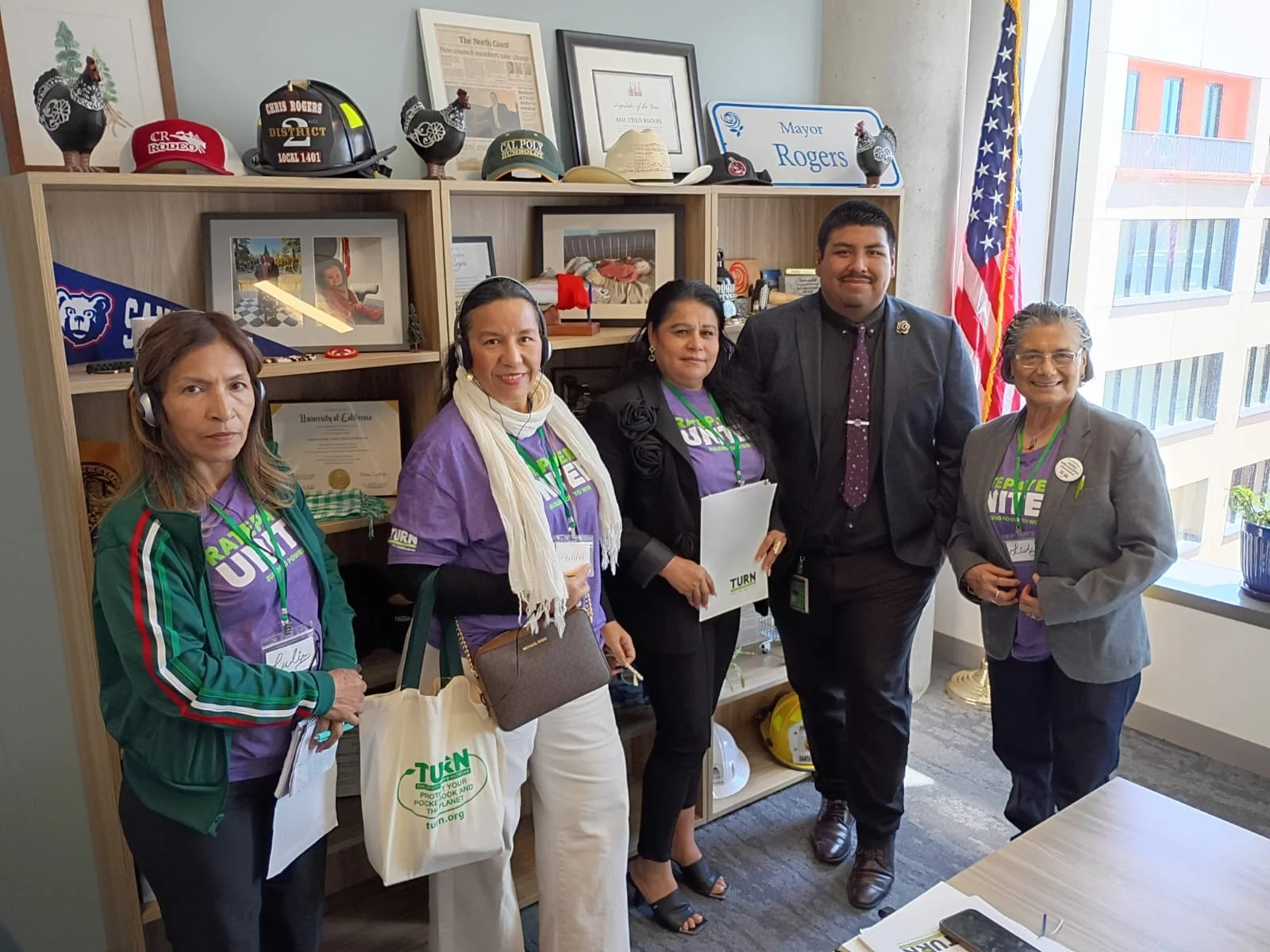
Ratepayers United completed 11 legislative visits with elected representatives and staff, delivering 11 TURN packets outlining TURN’s proposed bills.
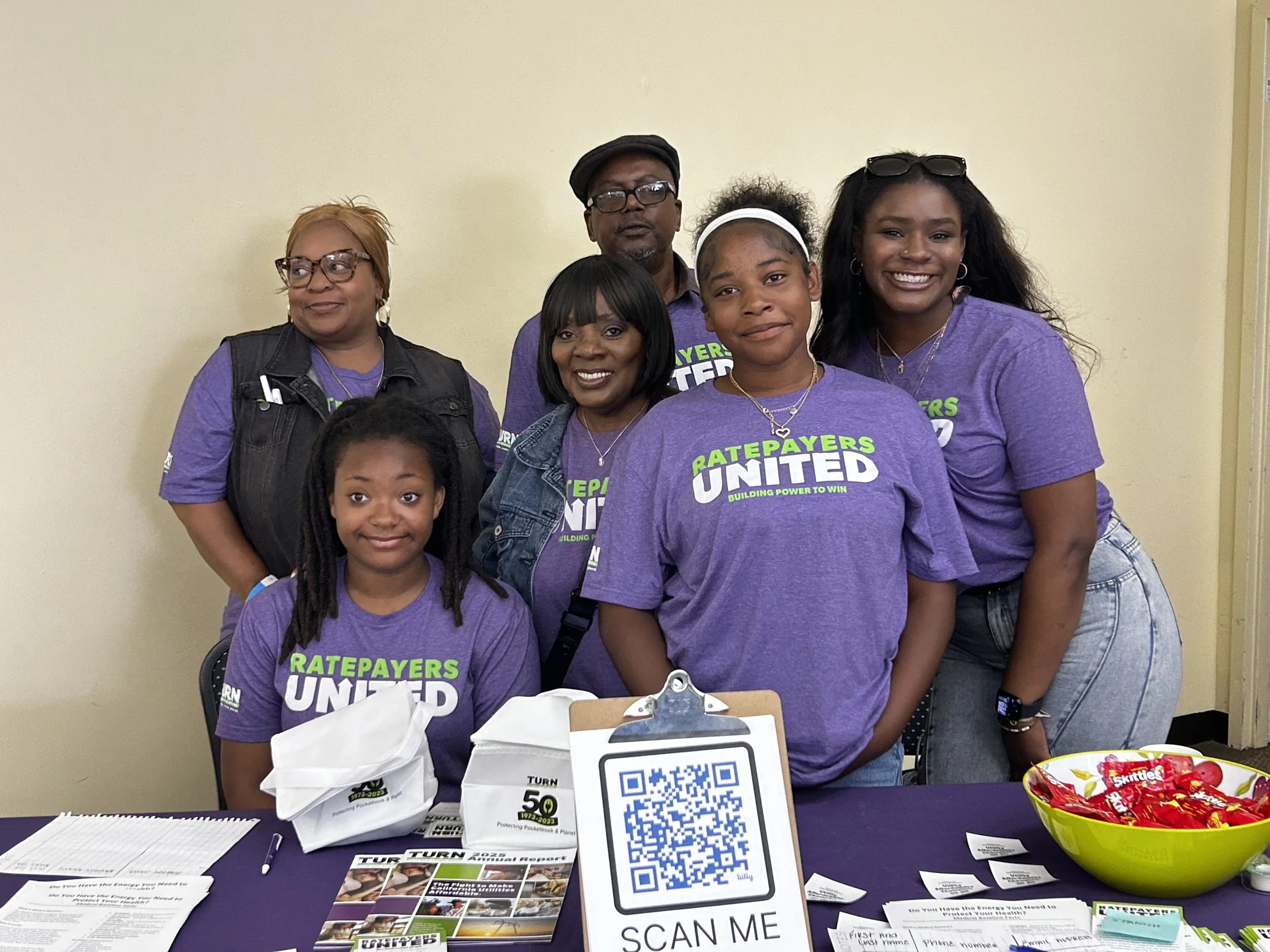
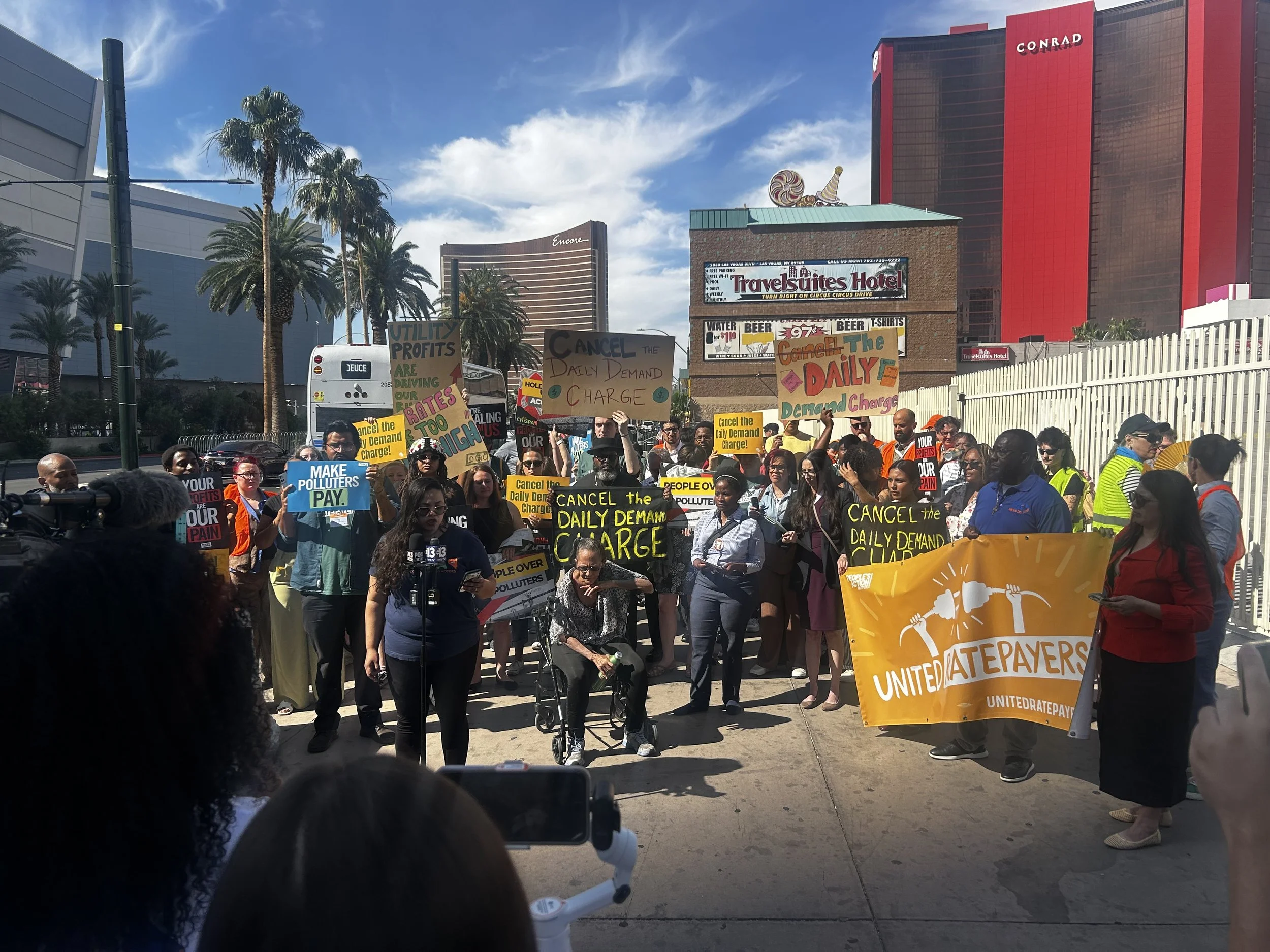
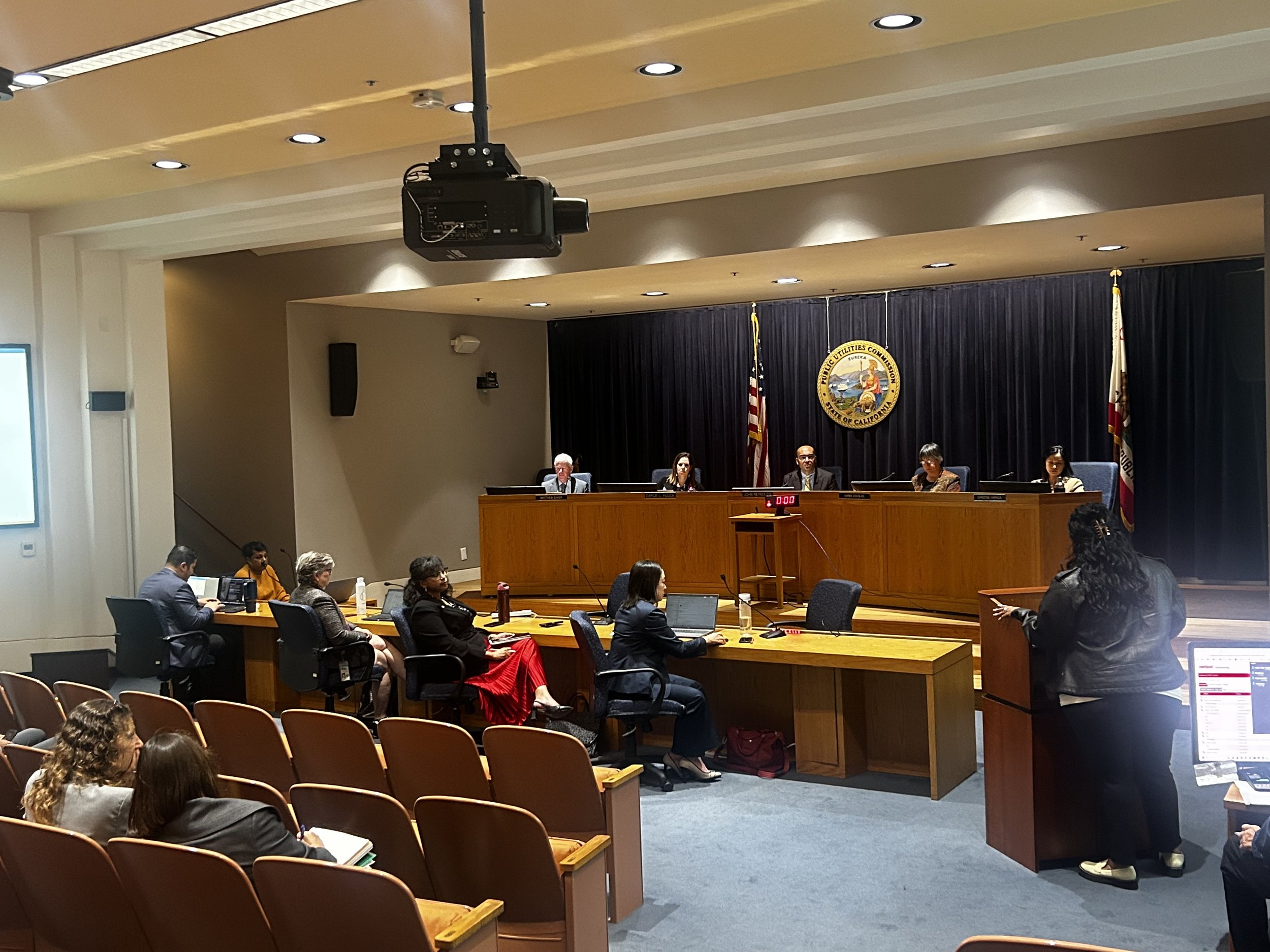
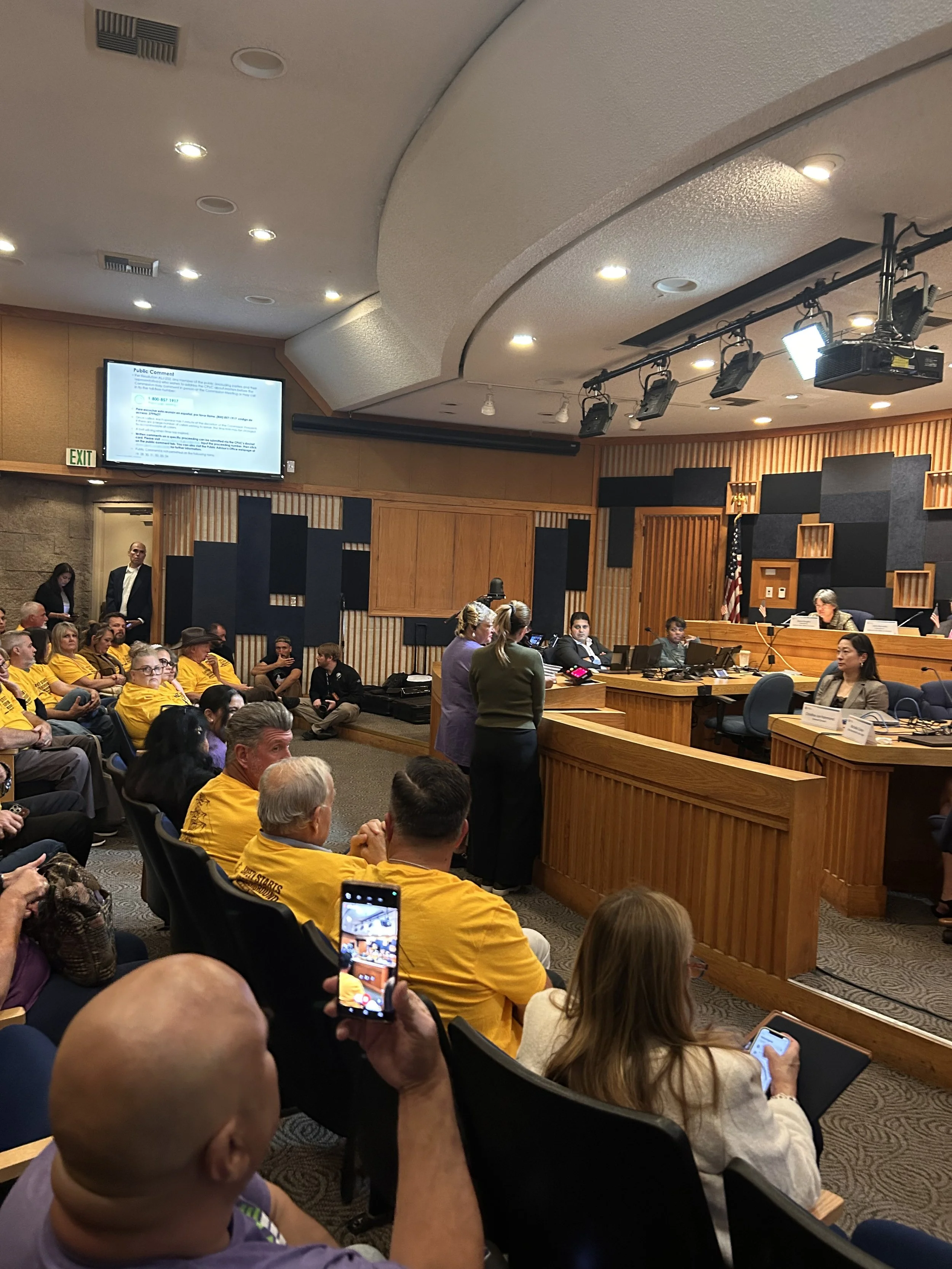
At the recent voting meeting of the California Public Utilities Commission (CPUC), Ratepayers United emphasized the urgent imperative for regulators to uphold and protect the “COLR”.