SB 24 (McNerney) – Advances to the Governor’s Desk
Limits the use of ratepayer money for company political lobbying activity and strengthens public advocates’ power to investigate violations.
SB 24 gives the CPUC and the Public Advocates Office authority to inspect the accounting of public utilities to ensure appropriate use of ratepayer money.
SB 24 creates front-end accounting requirements to protect ratepayers from inappropriate corporate spending to oppose the municipalization of electric and gas services.
Sponsored By

Source: Capitol Weekly | By Opinion by Mark Toney, Executive Director of TURN
SB 905 would help ensure utilities don’t get overpaid for work that already benefits the company by requiring the California Public Utilities Commission to examine whether the profit margins utilities earn on wildfire-related spending — like undergrounding power lines — are justified. This work already protects utilities from costly wildfire lawsuits, and that protection shouldn’t come with an extra reward: outsized profit margins billed to customers who are struggling to keep the lights on.
Electricity bills have skyrocketed over the past few years for residential and business customers of Pacific Gas & Electric, SoCal Edison and San Diego Gas & Electric — in large part because of the $40 billion customers have paid to cover California’s wildfire costs.
Source: KTVU Fox 2 | By Tom Vacar and Allie Rasmus
Mark Toney, CEO of The Utility Reform Network, known as TURN, a longtime critic of PG&E, was upset. "The legislature adopted nothing," he said. Toney said things TURN wanted were also ignored to keep the California Wildfire Fund able to cover liabilities caused by electric utility equipment. "We need a plan that makes the $40 billon last and doesn't get depleted," he said. "That didn't happen.” TURN's position is that PG&E should live within the money it has and quit the slow, expensive process burying power lines. "At a cost of $4 million a mile and we're gonna replace those with insulating overhead powerlines, insulated poles, at one-fifth of the cost and it can be done much faster," he said.
Pacific Gas and Electric Company announced plans on Wednesday to postpone roughly $2 billion in capital investments next year to bolster its finances, aiming to "reinvent" itself and improve its financial outlook. The reduction in capital spending could impact project timelines for connecting new homes, establishing data centers, and implementing clean energy initiatives.
Source: ABC7 News | By Dryden Quigley
The Utility Reform Network, a consumer advocacy group, said it supports the measure. "We need a way to basically penalize the utility executives for starting wildfires. And that's never happened before," said Lee Trotman with The Utility Reform Network. The organization said it supports the bill in its entirety, arguing that it protects ratepayers while prioritizing wildfire survivors through a faster payout process. "There's no way you can compensate someone for the loss of life, right? Their families, etc.. but you make it financially painful. You make sure that the utility executives have skin in the game," Trotman said.
California lawmakers are a step closer to an agreement on who should be held responsible when a utility causes a wildfire, after the Governor, Senate and Assembly leaders reached a compromise reflected in Senate Bill 492. According to the California Public Utilities Commission, utilities have caused roughly half of the state's most destructive wildfires.
Source: The Sacramento Bee | By Andrew Graham and Stephen Hobbs
Newsom is not alone in his stance, including from people who are not traditionally aligned with utility companies. Mark Toney, executive director of The Utility Reform Network, an organization that works to protect ratepayers from increased electrical rates, backs the idea of eliminating the ability of insurance companies to recoup money. He sees it as a way to help sustain a state wildfire fund and prevent taxpayers from being asked to keep refilling it.
Gov. Gavin Newsom’s last ditch effort to pressure legislators to change the way the state handles utility-caused wildfires involves an array of measures. But one issue in particular has become a flashpoint in the ongoing negotiations: Whether insurance companies should be able to recoup money from a utility company after a fire.
Source: CBS News | By Steve Large
Mark Toney, executive director of The Utility Reform Network, said lawmakers need to move quickly. "We are in a race with time," Toney said. "We need to cut out third parties, insurance companies. We need to limit attorneys' fees.”
California lawmakers and Gov. Gavin Newsom are racing to reach a deal on changes to the state's wildfire liability system, with just days remaining before the legislative session ends. The proposed reforms could affect how wildfire victims are compensated and how much utilities such as PG&E are responsible for paying after fires linked to their equipment.
Source: Benton Institute for Broadband and Society | By Kevin Taglang
During the 2026 proceeding, AARP and TURN argued that the telephone remains a preferred channel for older adults, lower-income households, and consumers with limited digital literacy—and, as TURN noted, for people who do not yet have broadband and are calling to find out what it costs. TURN cited 2023 American Community Survey data showing that "80 percent of adults with vision difficulty own a smartphone, against 62.7 percent with home broadband service."
If you shop for home internet service in the coming months, something on the screen may look different. For the past two years, providers have had to show you a standardized "broadband label"—a black-and-white box modeled on the nutrition panel on a cereal box, listing the monthly price, what happens when the introductory rate expires, the typical speeds, the latency, the data allowance, and each fee added on top. The label had to sit right next to the advertised plan.
Source: KFI AM640 | By iHeart Radio
Mark Toney, executive director of the Utility Reform Network, a consumer group in San Francisco, noted that burying more lines could significantly increase both customer bills and Edison's profits. "Five times the cost is equal to five times the profit," Toney said.
Altadena residents rebuilding after the devastating Eaton Fire are facing unexpected costs of up to $40,000 to connect their homes to Southern California Edison's newly buried power lines. Connor Cipolla, an Eaton wildfire survivor and member of the Altadena Town Council, initially praised Edison's plan to bury more than 60 miles of electric lines in Altadena to reduce fire risk. His perspective changed dramatically when he received an estimate of $20,000 to $40,000 to connect his smoke-damaged home to the underground system. "Residents are so angry," Cipolla told the Los Angeles Times. "We were completely blindsided.” The connection costs significantly exceed the $8,000 to $10,000 estimate Edison's CEO provided to Governor Gavin Newsom in April 2025. These expenses aren't covered by homeowner insurance, and neither the utility nor any government agency has secured funding to help offset the burden. Beyond the financial impact, residents are concerned about environmental damage. Some have tracked wooden stakes marking where Edison plans to dig, revealing dozens of locations where deep trenches will run under oak and pine trees that survived the fire. The utility company maintains that burying the lines is critical to wildfire prevention, especially in high-risk areas like Altadena where the Eaton Fire destroyed more than 9,000 structures. The project aims to protect electrical systems from extreme weather conditions that could cause power outages or wildfires. However, consumer advocates point out that undergrounding isn't the most cost-effective fire prevention measure. It can cost more than $6 million per mile, compared to about $800,000 per mile for installing insulated overhead lines.
Source: The Mercury News | By George Avalos
The Utility Reform Network also disagreed with the decision because the PUC didn’t sufficiently reduce PG&E’s rate of return. “Revising the decision in favor of utility shareholders is more than just buckling under pressure from PG&E and other major utilities,” TURN Executive Director Mark Toney said. “It is part of a disturbing pattern of commissioners disregarding proposals to address the affordability crisis.” Toney urged state politicians to step in and help utility customers. “This is a clear sign that the Legislature needs to take more action to address the affordability crisis, because the CPUC has failed to do so,” Toney said.
State regulators Thursday reined in the profit returns that shareholders of PG&E and other utility providers can harvest, a decision that failed to quell a debate over whether customers can easily afford to pay their monthly electric and gas bills. The state Public Utilities Commission voted 4-1 to approve slightly lower rates of return for shareholders starting in 2026 compared to current levels.
Source: Fox26 News | By Dania Romero
Mark Toney with TURN, a utility reform network, says that policy makers waited until the 11th hour to release bill language. "No one got a chance to weigh in because it came out at the last minute. And that's the responsibility of all the policy leadership in California. This is not just a governor thing. This is a collective that policy leaders in California have a habit of releasing big bills at the last second," said Toney. Toney says it was so last-minute, lawmakers had to extend their session to Saturday to get it passed.
If you get your power from Southern California Edison, your bill could go up to pay for the Eaton fire damages. The Eaton fire could end up costing more than what's in the wildfire fund, which could make ratepayers cover part of the difference.
Source: Live Insurance News | By H. Cutner
Ratepayer advocates have also voiced support for reining in the practice. Mark Toney, executive director of The Utility Reform Network, said hedge funds “will not bid on a claim unless they think they can turn it around for a larger profit.” “We support strategies that keep the hedge fund profiteering structurally out of the system,” Toney said.
A new California law gives electric utilities the right of first refusal to settle subrogation claims tied to wildfires, a move poised to disrupt a lucrative market for hedge funds and other alternative investors. The legislation, signed by Gov. Gavin Newsom is part of a larger package designed to strengthen the state’s wildfire prevention and funding strategies. The change targets the practice of insurers selling the right to sue utilities for wildfire damages to third parties.
TURN Newsroom

SAN FRANCISCO— The California Public Utilities Commission today agreed to reduce the temperature that triggers a statewide ban on utility disconnections to 90 degrees Fahrenheit, rejecting corporate utilities’ proposal to keep the threshold at 100 degrees.
Oakland, CA - Today, The Utility Reform Network (TURN) has filed a motion to intervene in AT&T’s federal lawsuit against the California Public Utilities Commission and California Attorney General. TURN submitted this filing in partnership with the California State Association of Counties (CSAC), Rural County Representatives of California (RCRC), and the Communications Workers of America (CWA).
SACRAMENTO – Yesterday, Senator Steve Padilla (D-San Diego) introduced Senate Bills 886and 887, two measures designed to protect California ratepayers from the potential increased costs and environmental damage caused by data centers.
Oakland, CA — The Utility Reform Network (TURN) is calling on PG&E customers to raise their voices against PG&E’s proposed rate increases, which could drive monthly bills up by $42—totaling more than $500 annually—by 2030…
Los Angeles, CA — Southern California Edison (SCE) reported a record $1.619 billion in 2024 profits today, a 9.8% increase from the previous year. While profits increased, SCE customer’s rates have increased by 26% in the last three years…
SACRAMENTO, Calif. — California voters want policy leaders to take decisive action to address the root causes of high electricity bills, including limiting how much utilities can spend and profit, according to a poll conducted by David Binder Research...
On February 1, the California Public Utilities Commission issued a proposed decision to authorize early collection of $516 million from PG&E customers for wildfire safety, and other infrastructure upgrades, conducted in 2022…
On December 1, PG&E submitted a CPUC filing requesting its customers to pay an additional $2 billion in rate increases to cover wildfire mitigations costs, barely two weeks after approval of record breaking increases for its General Rate Increase.
On November 7, PG&E executives scheduled a private meeting met with Commission staff to lobby for an additional $1.8 billion in ratepayer increases in the Alternative Proposed Decision, which had already been modified in PG&E’s favor.
Securitization—Just another word for a Bailout
TURN files in Court to reverse risky CPUC $11 billion PG&E Bailout
The Utility Reform Network filed a challenge in the State Court of Appeals on September 10 to reverse the May 6 California Public…
TURN Press Releases

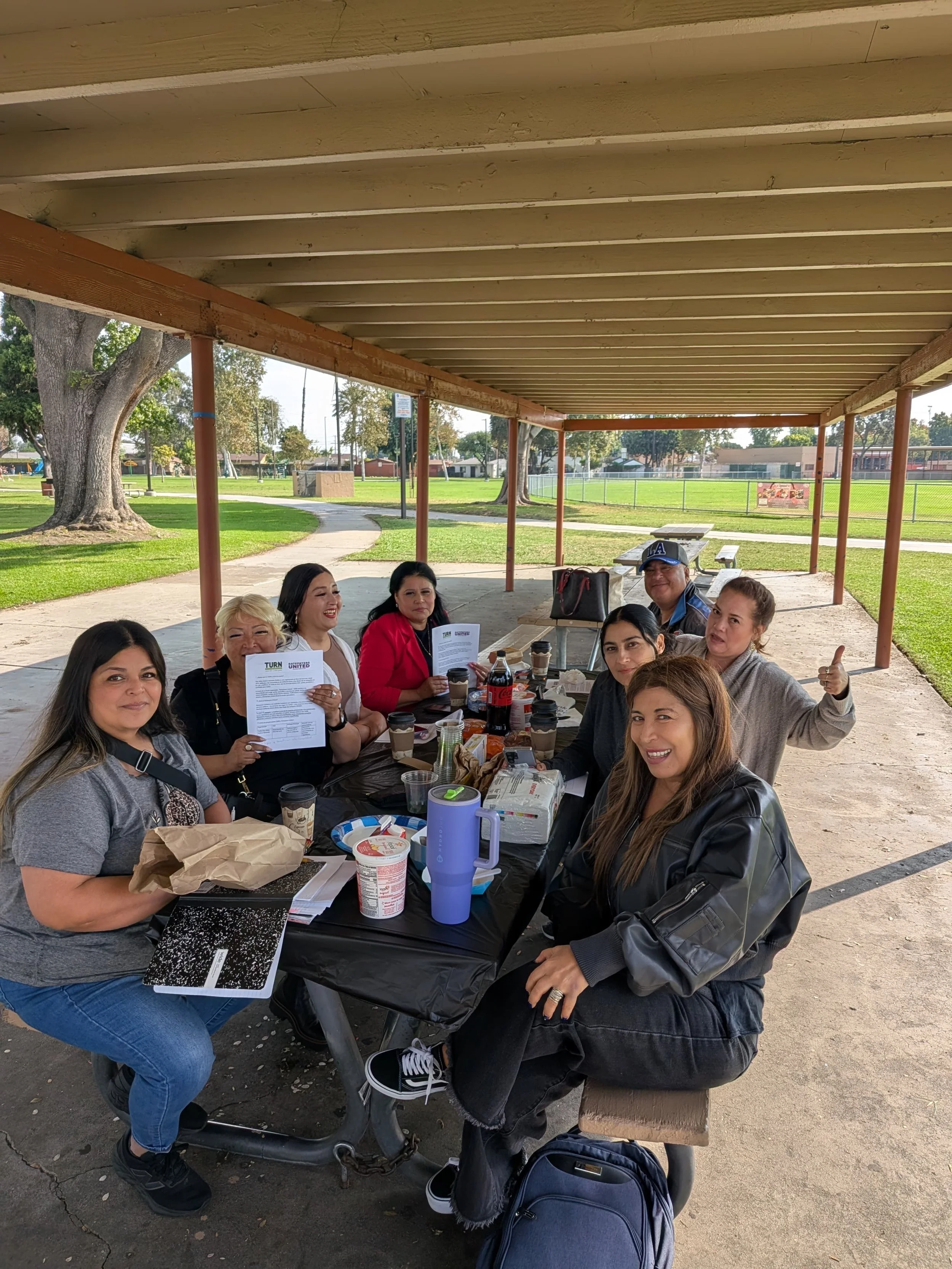
TURN/Ratepayers United attended Centro La Familia Advocacy Services’ Neighborhood Resource Fiesta Night in Fresno County.

Guest speaker Gabriela Sandoval, Deputy Director of The Utility Reform Network at the Sustainable Right to Energy and Economic Justice event September 24th 2026 in New York.

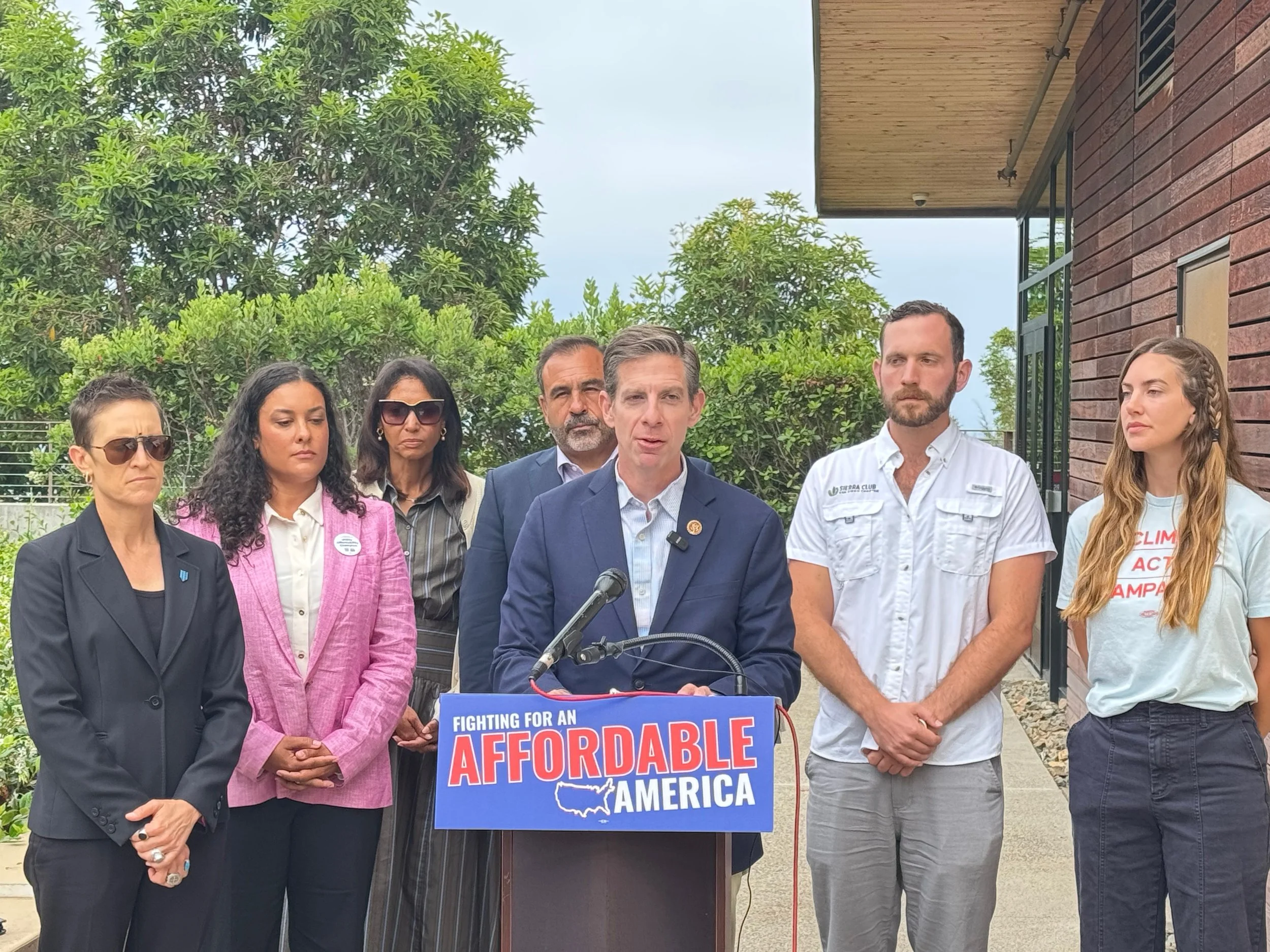
Adria Tinnin, Director of Race Equity and Legislative Policy, joined a roundtable of stakeholders to provide Congressman Mike Levin feedback and suggestions on what can be done at the federal level to achieve utility affordability in California.

TURN Executive Director Mark Toney briefs updates members at an August 2026 Wildfire Legislative Briefing.

Adria Tinnin speaking on a panel about electricity affordability at Advanced Energy United’s California Powers Up.

Four Bay Area environmental leaders have been recognized for their outstanding dedication to building cleaner, healthier, and more resilient communities.

TURN's Legislative Champions Awards celebrated key legislators who championed affordable bills and corporate accountability, exercising courage to put the needs of residents and businesses over the greed of corporate profits.

As California races to break its dependence on fossil fuels and expand clean energy, a new power player is emerging: data centers.
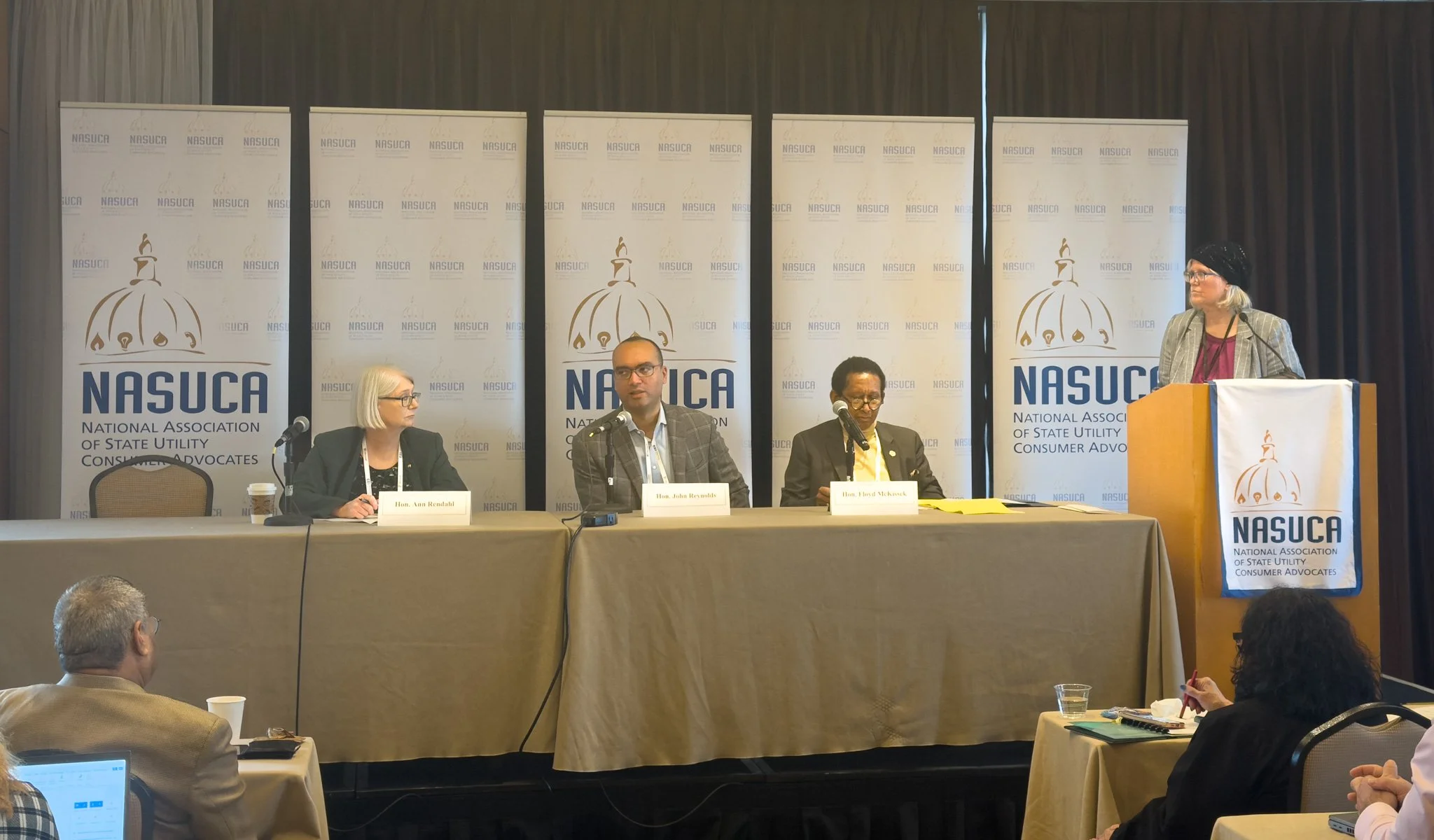
TURN Telecom Policy Director Regina Costa, moderating a panel at a national policy conference in Seattle, with Washington State Commissioner Ann Rendahl, CPUC Commissioner John Reynolds, and North Carolina Commissioner Floyd McKissick.
TURN In Action

he Oakland Black Cowboy Association’s (OBCA) 52nd Annual Parade and Festival brought the Oakland community together to celebrate Black cowboy history, culture, family, and community pride.

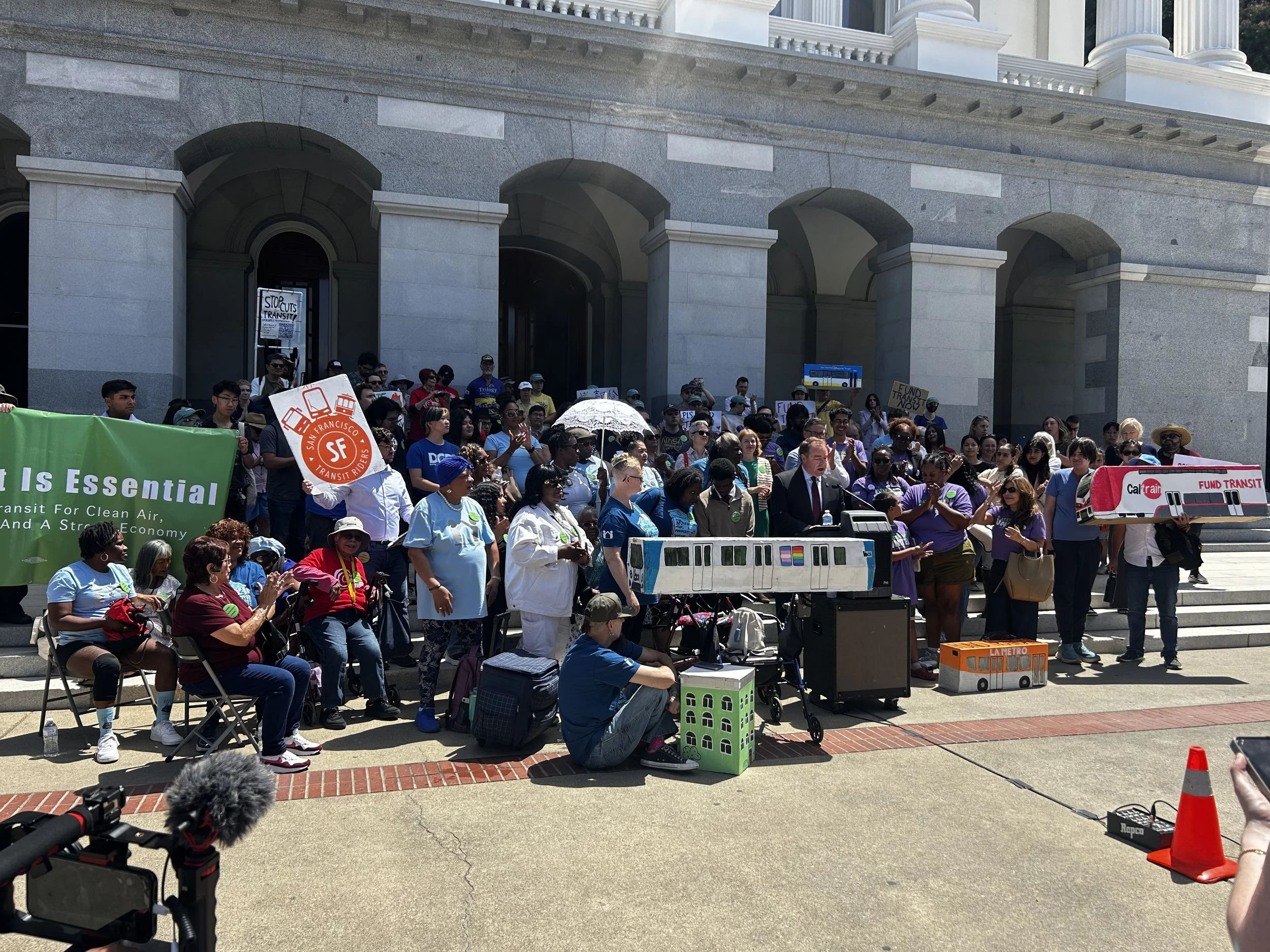
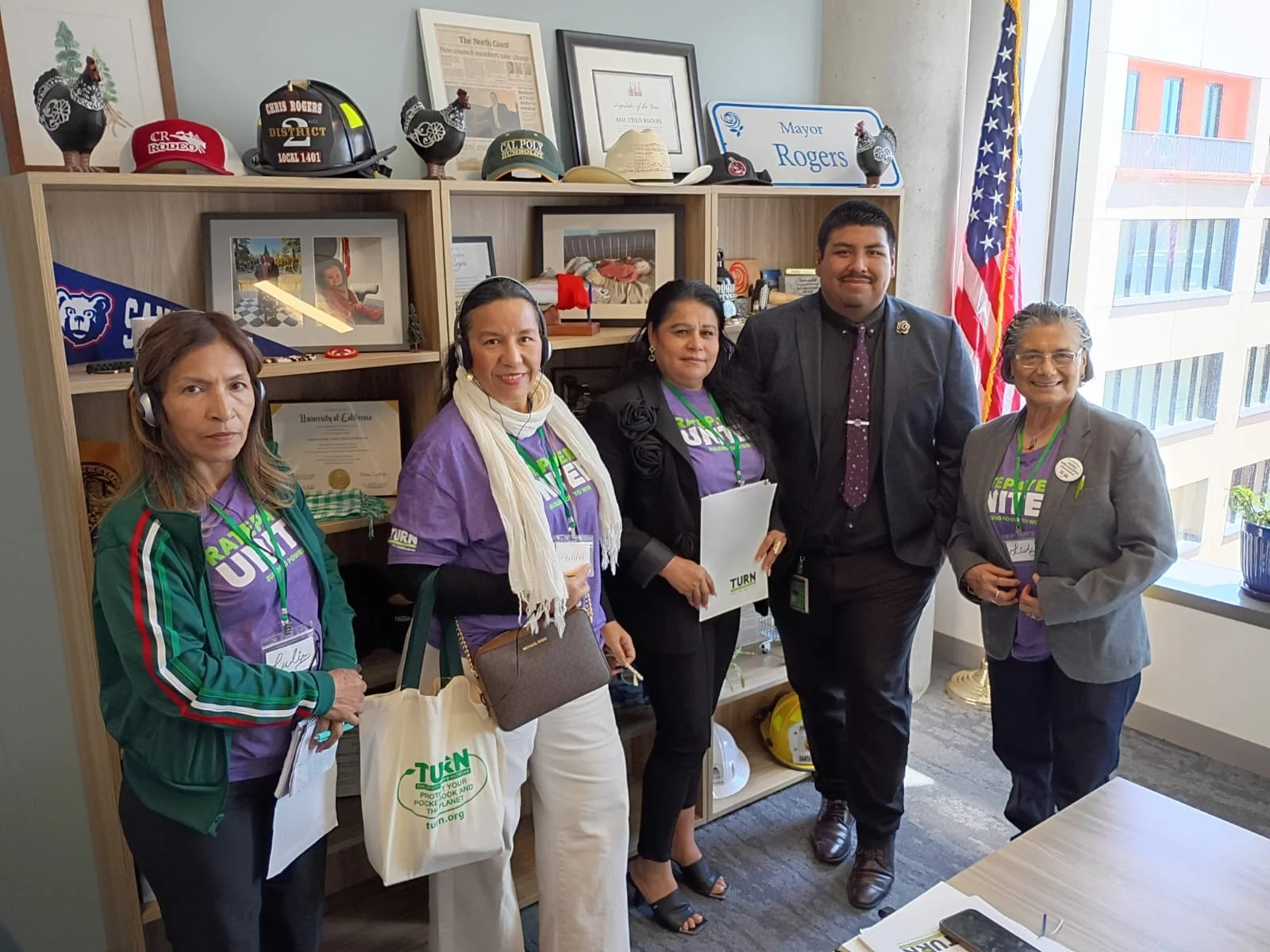
Ratepayers United completed 11 legislative visits with elected representatives and staff, delivering 11 TURN packets outlining TURN’s proposed bills.
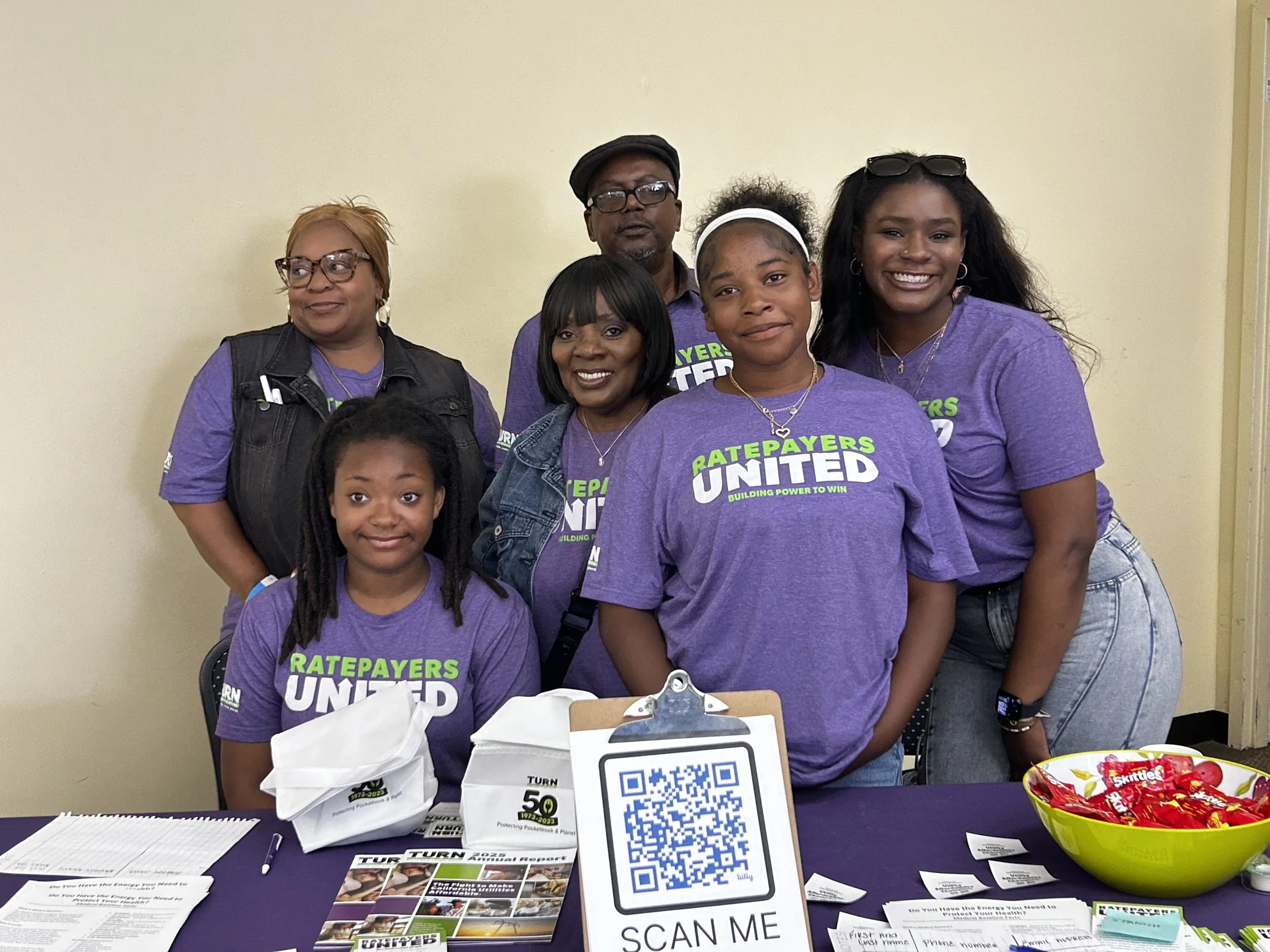
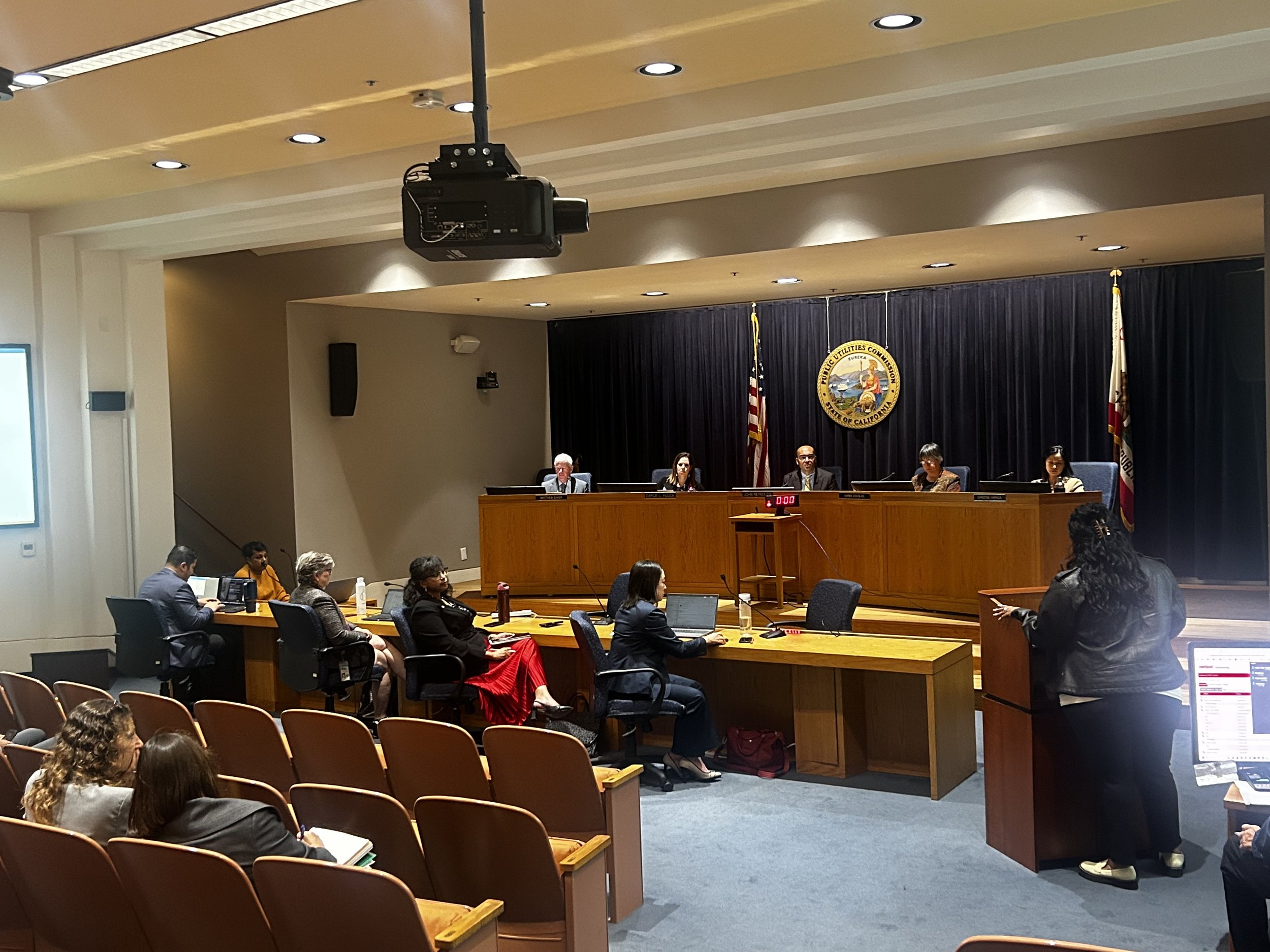
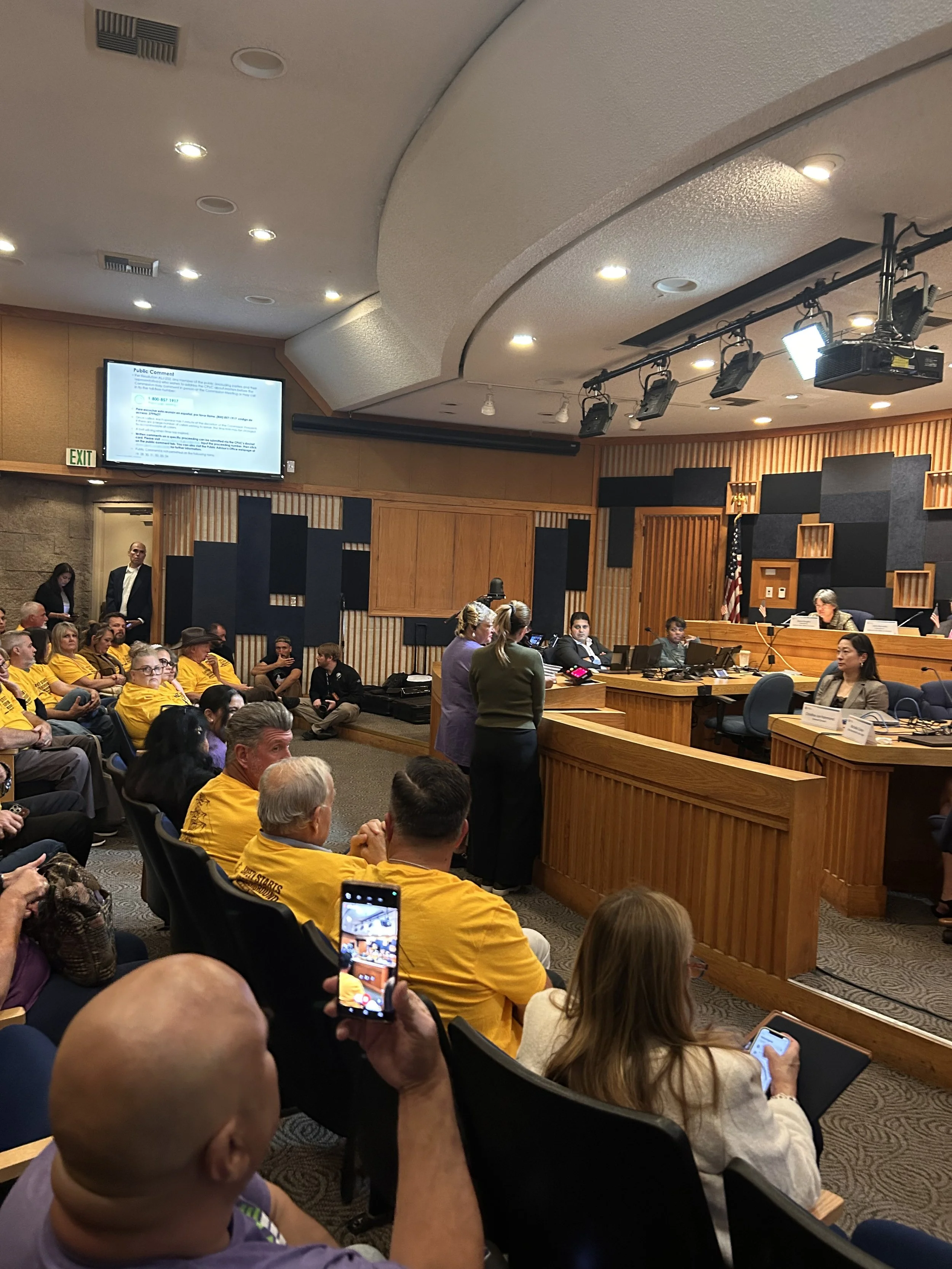
At the recent voting meeting of the California Public Utilities Commission (CPUC), Ratepayers United emphasized the urgent imperative for regulators to uphold and protect the “COLR”.