Affordability & Accountability Bill Package

Join TURN in advocating for affordability, accountability, and transparency in California!
SB 24 (McNerney)
Prohibits the use of ratepayer money for corporate political lobbying against local governments trying to establish a municipal utility and strengthens public advocates’ power to investigate violations.
SB 24 gives the CPUC and the Public Advocates Office authority to inspect the accounting of public utilities to ensure appropriate use of ratepayer money.
SB 24 creates front-end accounting requirements to protect ratepayers from inappropriate corporate spending to oppose the municipalization of electric and gas services.
Sponsored By
AB 1167 (Berman & Addis)
Prohibits the use of ratepayer money for promotional advertisements and political lobbying activity.
AB 1167 creates front-end accounting requirements to protect ratepayers from inappropriate corporate spending.
AB 1167 prevents utility corporations from spending ratepayer dollars on national trade associations, lobbying, and other excessive expenses.
AB 1167 gives the CPUC discretion to impose sliding scale penalties based upon the severity of utility violations.
Sponsored By



Source: Mercury News | By George Avalos
Mark Toney is on a mission to keep electric and gas bills down. That decades-long goal has made the consumer advocate one of PG&E’s toughest critics and that of its utility siblings. Since 2008, Toney has served as executive director of TURN,The Utility Reform Network. The post has put Toney in a unique position to challenge California’s biggest electric, gas and telephone companies.
Overall, customers are worse off since the bankruptcy. There are upsides and downsides. One upside was AB 1054, which ensured that ratepayers could not be charged for damage from the 2017 and 2018 wildfires. (PG&E caused fatal wildfires in 2017 that destroyed large sections of the California Wine Country and also caused a deadly fire in 2018 known as the Camp Fire in Butte County that destroyed the town of Paradise.)
Source: Spectrum News | By Jamie Kennedy
The power needed for the center, sizeable to say the least, said assistant attorney at The Utility Reform Network, a utility watchdog organization, Elise Torres. “At 250 megawatts, it’s approximately the entire load of Marin County,” Torres said. “So that gives you a sense of the scale of just this one facility.”
The potential impact on electricity rates and who should pay for major grid upgrades are at the center of a California Public Utilities Commission review of an agreement between utility company PG&E and Google to connect a massive 250-megawatt data center in San Jose.
Source: The Cool Down | By Leslie Satler
To consumer advocates, the change appears tied to mounting frustration over utility prices. Mark Toney, executive director of The Utility Reform Network, said, "I'd say we saw today a lot of evidence that Gov. Newsom has really prioritized affordability and accountability to an increased extent.”
California's soaring electricity bills have made affordability a driving force in energy policy. Gov. Gavin Newsom's latest move is a package of electricity-affordability bills built around home batteries and other smart devices that could help lower and reduce the need for gas-fired backup plants.
Source: New York Post | By Maria Pena
“Community solar and storage is a way to increase clean energy generation, and so that would be an example, a very specific example, of something the state could do,” Toney said. A major factor during heat waves is solar power, which not only provides electricity during the day but helps charge batteries that can supply power later, Toney explained.
Gov. Gavin Newsom vetoed AB 1813 on Sept. 30, legislation authored by Assemblymember Christopher Ward that would have created a customer renewable energy subscription program aimed at expanding access to community renewable energy projects. The Utility Reform Network supported the legislation.
Source: The Institute for Energy Research |
According to Mark Toney, Executive Director of the Utility Reform Network, a ratepayer advocacy group, “Collectively these measures protect ratepayers from subsidizing the significant energy consumption of data centers, ensuring that the data centers pay upfront for the extra infrastructure that must be built to operate them, and pay their fair share for wildfire mitigation and other ratepayer-funded programs.”
On September 21, Governor Gavin Newsom signed seven bills regulating the data center industry in California, imposing new requirements on electricity costs, water use, and local oversight. The legislation requires data centers to provide information on electricity use, water consumption, land use, and workforce needs, giving local communities more information to assess proposed projects.
Source: Communications Daily | By Philip Athey
However, the Utility Reform Network (TURN) urged the CPUC to reject NaLA’s proposal to allow providers to set prices because it “would essentially guarantee that the [specific support amount] would be locked at the highest amount the Commission allows, regardless of the competitiveness of providers’ offerings.”
Industry commenters said a proposed update to California Lifeline’s minimum-service standards and subsidy levels would pose logistical challenges for service providers that could push them out of the program if the California Public Utilities Commission (CPUC) adopts the plan without any changes.
Source: Canary Media | By Jeff St. John
Newsom’s move drew praise from consumer advocates, clean energy trade groups, and environmental organizations. “I’d say we saw today a lot of evidence that Gov. Newsom has really prioritized affordability and accountability to an increased extent,” said Mark Toney, executive director of The Utility Reform Network, a ratepayer advocacy group that sponsored seven bills this legislative session, all of which were passed into law.
California Gov. Gavin Newsom (D) defied political expectations on Wednesday and signed into law a slate of energy-affordability legislation aimed at containing the utility spending that is driving up electricity costs in the Golden State.
Source: Communications Daily | By Philip Athey
The Utility Reform Network said the monitoring period in the proposal is too long and could subject California Lifeline customers to two years of price increases before a higher subsidy level is introduced. The group instead recommended an eight-month monitoring period with an updated subsidy level presented in 12 months.
Nearly all industry and public advocacy organizations said they support a proposed decision from the California Public Utilities Commission (CPUC) to increase the subsidy level and minimum service requirements for the state's Lifeline program, suggesting only minor changes and clarifications. But one, Assurance Wireless, said the changes in the proposal were so significant that they potentially overstep the CPUC’s legislative mandate and raise the question of federal preemption.
Source: Capitol Weekly | By Opinion by Mark Toney, Executive Director of TURN
SB 905 would help ensure utilities don’t get overpaid for work that already benefits the company by requiring the California Public Utilities Commission to examine whether the profit margins utilities earn on wildfire-related spending — like undergrounding power lines — are justified. This work already protects utilities from costly wildfire lawsuits, and that protection shouldn’t come with an extra reward: outsized profit margins billed to customers who are struggling to keep the lights on.
Electricity bills have skyrocketed over the past few years for residential and business customers of Pacific Gas & Electric, SoCal Edison and San Diego Gas & Electric — in large part because of the $40 billion customers have paid to cover California’s wildfire costs.
Source: Canary Media | By Jeff St. John
Google and PG&E have been tussling with the Sierra Club, The Utility Reform Network, and others over how to allocate the cost of connecting that 250-MW “large load” to the utility transmission grid. The big issue? How much of that cost should be borne by PG&E customers at large versus by Google itself.
California has yet to take full advantage of rooftop solar, backup batteries, and other home devices to create virtual power plants (VPPs) that can help its stressed-out grid — even though it has more of those distributed energy resources than any other state. Earlier this month, utility Pacific Gas & Electric launched its latest effort to improve on that poor record via an ambitious partnership with friendly neighborhood tech giant Google and pro-electrification nonprofit Rewiring America.
Source: Politico | By Tyler Katzenberger, Chase Difeliciantonio, and Christine Mui
Mark Toney, executive director of The Utility Reform Network, a California-based nonprofit, told POLITICO he noticed ”more urgency” and “more positive signals from the governor’s office” to regulate data centers this year. He contrasted it to last year, when he said “there was not a sense that California had to be out front — and in fact, California was at risk of falling behind.”
What a difference a year makes. Last year, California Gov. Gavin Newsom vetoed legislation that would have tracked data centers’ water use and signed a pared-back study measure on their electricity rates. Just a few months ago, he was downplaying the importance of the issue altogether.
Source: From the Office of Governor Gavin Newsom |
Mark Toney, Executive Director, TURN: “Collectively these measures protect ratepayers from subsidizing the significant energy consumption of data centers, ensuring that the data centers pay upfront for the extra infrastructure that must be built to operate them, and pay their fair share for wildfire mitigation and other ratepayer-funded programs. We are grateful for the Governor’s leadership to hold these data centers accountable.”
Yesterday, Governor Gavin Newsom signed the most comprehensive data center laws in the nation, providing communities more control on water, electricity, and land use.
Source: Martin CID Magazine | By Adrian Kessler
What emerged intact was a directive for the California Public Utilities Commission to study data center energy costs by 2027 — a study of a problem regulators already have the authority to investigate. An attorney for The Utility Reform Network called it toothless, and it is hard to read it any other way.
The state was supposed to be capping AI's appetite for power and water. What actually reached the governor's desk asks data centers to open their books — and even that is one veto from vanishing. The story California has been telling about itself this year is one of a state finally putting limits on the machines eating its power and water. The version that reached the governor is quieter and more revealing: it does not cap what a data center may draw.
Source: The Los Angeles Times | By Blanca Begert, Dakota Smith, Ian James
“Collectively these measures protect ratepayers from subsidizing the significant energy consumption of data centers, ensuring that the data centers pay upfront for the extra infrastructure that must be built to operate them, and pay their fair share for wildfire mitigation and other ratepayer funded programs,” Mark Toney, executive director of the Utility Reform Network, a ratepayer advocacy group, said.
California just took its first concrete steps toward regulating its growing data center industry as public appetite builds to crack down on the massive facilities. Amid widespread concerns about environmental and economic impacts of data centers, Gov. Gavin Newsom signed seven bills Monday morning aimed at protecting consumers from growing electricity costs and tracking the centers’ immense energy and water consumption.
Source: Communications Daily | By Philip Athey
Ryan Johnston, a telecom regulatory attorney for TURN, said that beyond the Verizon/Frontier merger requirements, the condition could undermine California’s Lifeline program and possibly even its carrier of last resort (COLR) obligations and minimum service quality requirements for both phone and internet use. While the state would receive its $1.4 billion in deployment funding, “when you look across at something like the California Lifeline program, saving about 1.7 million people $20 a month for the next 14 years, that comes out to... almost $5 billion itself,” he said. “There is not an equal weight on both sides of the scale here.”
Consumer advocates in California are calling on state officials to fight a provision added to the BEAD program by the Trump administration that would require the state to stop enforcing its net neutrality law and consumer protections on BEAD subgrantees for 14 years.
Source: Consumers’ Checkbook | By Herb Weisbaum
Ryan Johnston, a lawyer with The Telecom Regulatory Reform Network (TURN), a consumer advocacy group in California, called the original rule “a really good transparency tool” that was working as intended. “It’s pretty straightforward. We all know how to read food product labels,” Johnston said.
The Federal Communications Commission (FCC), which has become far more business-friendly under the Trump administration, has ordered changes to its broadband label rule. The original rule, approved during the Biden administration, made it more difficult for companies to obscure the full prices of their services.
Source: Canary Media California Wire | By Jeff St. John
In addition, SB 905 would encourage utilities to measure how efficiently they’re using their existing grids — a precursor to setting up regulations that could steer them toward prioritizing lower-cost solutions over expensive grid upgrades. These aren’t the only affordability proposals on the table. The Utility Reform Network has a list of bills awaiting Newsom’s signature that offer even wonkier ways to ride herd on utility costs.
Democratic Gov. Gavin Newsom — who everyone knows is eyeing a run for the White House — has one last chance to show his true colors on energy and climate change. Rising electricity costs are a major issue in California, and Newsom must decide by the end of this month whether to sign a host of bills that could help cut utility rates while also advancing the state’s clean energy transition.
Source: Bakerfield.com | By John Cox
Executive Director Mark Toney of Oakland-based The Utility Reform Network said by email he was encouraged the CPUC’s new chairman, John Reynolds, is looking at potential improvements such as requiring utilities to include more information in their rate-case applications. “TURN is urging the commission to protect ratepayers and hold utilities accountable to spending within their budgets to provide safe, clean, affordable energy by requiring utilities to: Aspire to limit (general rate case) spending to as close to inflation as possible, rein in overspending in accounts outside of the GRC, and auditing actual shareholder returns versus authorized returns,” Toney wrote.
Work began this month on a regulatory process intended to boost affordability, accountability and transparency in the way California’s investor-owned gas and electric utilities apply for permission to raise their rates.
Source: Lifeline with Craig Roberts (podcast) KFAX | By Craig Roberts
This podcast featuring Executive Director of TURN Mark Toney aired September 15th 2026
Craig: I want to get your response to the failure of the California Legislature to pass SB 492 and PG&E’s answer that their financial risk to harden their infrastructure results is way too much for lenders and investors, so they will hold off on that.
Mark: Just because PG&E can’t get what it wants, they can’t just pick up their toys and go home. I told their executives that they need to spend less money burying lines underground (which is extremely expensive and takes an extremely amount of time) and do what Edison has done by insulating overhead power lines. It is just as safe and costs one-fifth, and can be done five times faster than burying the lines.
Craig: why isn’t PG&E insulating the lines and reducing the immediate risk of fires? There is no sense of urgency.
Mark: Shareholder returns. The more money they invest in capital investments, the more they can get in returns. Returns is not the only thing; we need safety. If you don’t have safety, lenders charge a higher interest rate because of the risk, and you and I pay the higher interest rate. What we are saying is reduce the risk as quickly and inexpensively as possible, so we have less of these shutoffs and wildfire disasters.
Mark: Please ask your listeners to call (916) 445 2841; this is the phone number that the Governor’s office has to make public comments on bills. Ask your listeners to call this number and urge him to sign SB 905 and the other six TURN affordability bills. They know what these bills are and we’ve been working with them since January. The Governor’s office needs to know that your listeners come from all over California.
Craig: this is a comment line set up with the Governor’s office and believe it or not, these calls matter. We have learned that each call represents hundreds of people who want to make a difference.
Source: KTVU Fox 2 | By Tom Vacar and Allie Rasmus
Mark Toney, CEO of The Utility Reform Network, known as TURN, a longtime critic of PG&E, was upset. "The legislature adopted nothing," he said. Toney said things TURN wanted were also ignored to keep the California Wildfire Fund able to cover liabilities caused by electric utility equipment. "We need a plan that makes the $40 billon last and doesn't get depleted," he said. "That didn't happen.” TURN's position is that PG&E should live within the money it has and quit the slow, expensive process burying power lines. "At a cost of $4 million a mile and we're gonna replace those with insulating overhead powerlines, insulated poles, at one-fifth of the cost and it can be done much faster," he said.
Pacific Gas and Electric Company announced plans on Wednesday to postpone roughly $2 billion in capital investments next year to bolster its finances, aiming to "reinvent" itself and improve its financial outlook. The reduction in capital spending could impact project timelines for connecting new homes, establishing data centers, and implementing clean energy initiatives.
Source: ABC7 News | By Dryden Quigley
The Utility Reform Network, a consumer advocacy group, said it supports the measure. "We need a way to basically penalize the utility executives for starting wildfires. And that's never happened before," said Lee Trotman with The Utility Reform Network. The organization said it supports the bill in its entirety, arguing that it protects ratepayers while prioritizing wildfire survivors through a faster payout process. "There's no way you can compensate someone for the loss of life, right? Their families, etc.. but you make it financially painful. You make sure that the utility executives have skin in the game," Trotman said.
California lawmakers are a step closer to an agreement on who should be held responsible when a utility causes a wildfire, after the Governor, Senate and Assembly leaders reached a compromise reflected in Senate Bill 492. According to the California Public Utilities Commission, utilities have caused roughly half of the state's most destructive wildfires.
Source: California Senate Democratic Caucus | By EIN Presswire
“TURN is very pleased to see SB 327 make it to the governor’s desk. Preventing utilities from using ratepayer money to stop municipalization and protecting the Public Advocates Office’s right to investigate utilities for compliance with the law is more important now than ever before. At a time of skyrocketing utility bills, people deserve to choose a lower cost option like a municipal utility,” said Adria Tinnin, director of Race Equity and Legislative Policy for TURN. “We thank Sen. McNerney for this important legislation and urge Governor Newsom to stand with California families and businesses and sign SB 327 into law.”
The California Legislature today approved Sen. Jerry McNerney’s SB 327, which would protect ratepayers by strengthening oversight of investor-owned utilities (IOUs) and barring IOUs from using ratepayer funds to fight local efforts to create municipal utilities.
Source: The Sacramento Bee | By Andrew Graham and Stephen Hobbs
Newsom is not alone in his stance, including from people who are not traditionally aligned with utility companies. Mark Toney, executive director of The Utility Reform Network, an organization that works to protect ratepayers from increased electrical rates, backs the idea of eliminating the ability of insurance companies to recoup money. He sees it as a way to help sustain a state wildfire fund and prevent taxpayers from being asked to keep refilling it.
Gov. Gavin Newsom’s last ditch effort to pressure legislators to change the way the state handles utility-caused wildfires involves an array of measures. But one issue in particular has become a flashpoint in the ongoing negotiations: Whether insurance companies should be able to recoup money from a utility company after a fire.
Source: Capitol Weekly | By Guest Opinion by Matt Freedman (TURN)
My organization TURN, which represents the interests of residential customers of the utilities, partnered with a diverse coalition to support a community solar program that could help achieve our broad clean energy targets. Due to increasing delays in connecting generation to the state’s high-voltage transmission network and rigid opposition by the Trump administration to placing renewable energy projects on federal land, California needs to deploy community solar and storage projects, which connect to the lower-voltage distribution system and don’t need any approvals from the federal government.
California’s environmental leadership is at risk. Despite the growing demand for clean and cost-effective energy, the state lacks a viable community solar and storage program that allows customers to participate in the development of shared clean generation facilities.
Source: CBS News | By Steve Large
Mark Toney, executive director of The Utility Reform Network, said lawmakers need to move quickly. "We are in a race with time," Toney said. "We need to cut out third parties, insurance companies. We need to limit attorneys' fees.”
California lawmakers and Gov. Gavin Newsom are racing to reach a deal on changes to the state's wildfire liability system, with just days remaining before the legislative session ends. The proposed reforms could affect how wildfire victims are compensated and how much utilities such as PG&E are responsible for paying after fires linked to their equipment.
Source: The Frisc | By Adam Brinklow
There is room for nuance, however, as the Oakland-based environmental group The Utility Reform Network acknowledges. TURN is backing several state bills to regulate data center expansion, including extra company taxes to help reinforce the public electric grid. TURN spokesperson Lee Trotman says sites already in SF aren’t on their radar: “We don’t have much to say about them other than they use less energy and water than AI data centers.”
Last month Sup. Connie Chan, who’s running for Nancy Pelosi’s congressional seat, released a campaign ad excoriating San Francisco’s AI boom. “AI data centers are driving up our utility costs, displacing our community, and jeopardizing our environment,” she said, standing in front of a public library. Chan’s not the only one raging against the machines. If elected, she’ll support a moratorium on new AI data centers penned by Congresswoman Alexandria Ocasio-Cortez (D-NY).
Source: FOX 2 KTVU | By Tom Vacar
"The decision that the CPUC is about to make, PG&E could raise your monthly bill $50 or more a month," said Mark Toney, the executive director of The Utility Reform Network (TURN). Over the lifetime of the decision — up to 20 years — TURN calculates that each customer's portion could be around $18,000.
The California Public Utilities Commission (CPUC) plans to unveil a proposed decision concerning PG&E's requested rate hikes. The utility company says the increases are crucial as it aims to bury 10,000 miles of power lines as a preventative measure against wildfires in high-risk regions. This increase is substantial.
Source: SF Gate | By Anabel Sosa
Mark Toney, the executive director of the Utility Reform Network, a nonprofit legal advocacy network, told SFGATE in an email that there are still questions about the specifics of Becerra’s plan but that it is “encouraging” to see the candidate’s commitment to bringing down the price of electricity. “While we are unsure how much ratepayers might benefit from two free hours of electricity, we are eager to learn more about the proposal,” Toney said.
During midday in California, the state’s solar grid produces so much energy that, sometimes, it can’t even use it all. It’s a good problem to have, and one that the leading Democratic candidate governor thinks could be a boon to low-income households. At a recent summit hosted by Politico, Xavier Becerra said he wants to offer free electricity from 1 p.m. to 3 p.m. for those who qualify, possibly saving them upward of $1,000 annually.
Source: Communications Daily | By Philip Athey
Alexandra Green, a telecom and regulatory attorney for The Utility Reform Network, told us her organization also favored the Ormond proposal and was disappointed that the CPUC didn't require enough consumer protections in the merger agreement.
The California Public Utilities Commission (CPUC) unanimously approved the $34.5 billion Charter/Cox merger with some conditions in a Thursday vote, clearing the way for the resulting company to become the largest ISP and cable provider in the nation. The merger was previously approved by the FCC and DOJ, as well as regulators in New York and Connecticut. California was the final regulatory hurdle.
Source: The Plumas Sun |
If the FCC grants AT&T’s petition, the company could move forward with abandoning universal service obligations that millions of Californians rely on, particularly those living in rural communities. RCRC joined a coalition of organizations, such as The Utility Reform Network, California Alliance for Digital Equity, California State Association of Counties and the Communications Workers of America, in submitting comments to the FCC on July 7 and July 22.
The Rural County Representatives of California reports that, in coordination with a broad coalition of consumer, local government, labor, agricultural and public interest organizations, it has filed comments with the Federal Communications Commission opposing a threat to universal telephone service protections.
TURN Newsroom

SAN FRANCISCO— The California Public Utilities Commission today agreed to reduce the temperature that triggers a statewide ban on utility disconnections to 90 degrees Fahrenheit, rejecting corporate utilities’ proposal to keep the threshold at 100 degrees.
Oakland, CA - Today, The Utility Reform Network (TURN) has filed a motion to intervene in AT&T’s federal lawsuit against the California Public Utilities Commission and California Attorney General. TURN submitted this filing in partnership with the California State Association of Counties (CSAC), Rural County Representatives of California (RCRC), and the Communications Workers of America (CWA).
SACRAMENTO – Yesterday, Senator Steve Padilla (D-San Diego) introduced Senate Bills 886and 887, two measures designed to protect California ratepayers from the potential increased costs and environmental damage caused by data centers.
Oakland, CA — The Utility Reform Network (TURN) is calling on PG&E customers to raise their voices against PG&E’s proposed rate increases, which could drive monthly bills up by $42—totaling more than $500 annually—by 2030…
Sacramento, CA — California utility consumers are demanding lawmakers rein in skyrocketing rates and hold for-profit investor-owned utilities (IOUs) accountable…
Coalition applauds Senate’s SB 254 release; calls for swift passage alongside CAP’s affordability measures for both immediate relief and long‑term savings…
Los Angeles, CA — Southern California Edison (SCE) reported a record $1.619 billion in 2024 profits today, a 9.8% increase from the previous year. While profits increased, SCE customer’s rates have increased by 26% in the last three years…
San Diego, CA — San Diego Gas & Electric today reported near record profits of $891 million off the backs of customers. SDG&E’s earnings report follows over $1.6 million spent in 2024 by its parent company…
SAN FRANCISCO — Pacific Gas & Electric (PG&E) today reported a 10% increase in profits from 2023 to 2024, totaling $2.48 billion dollars.
Sacramento, Calif. — California’s four major investor-owned utilities (IOUs) — for-profit corporate utilities — spent a staggering $21,854,420 on lobbying and influence efforts in 2024.
TURN Press Releases

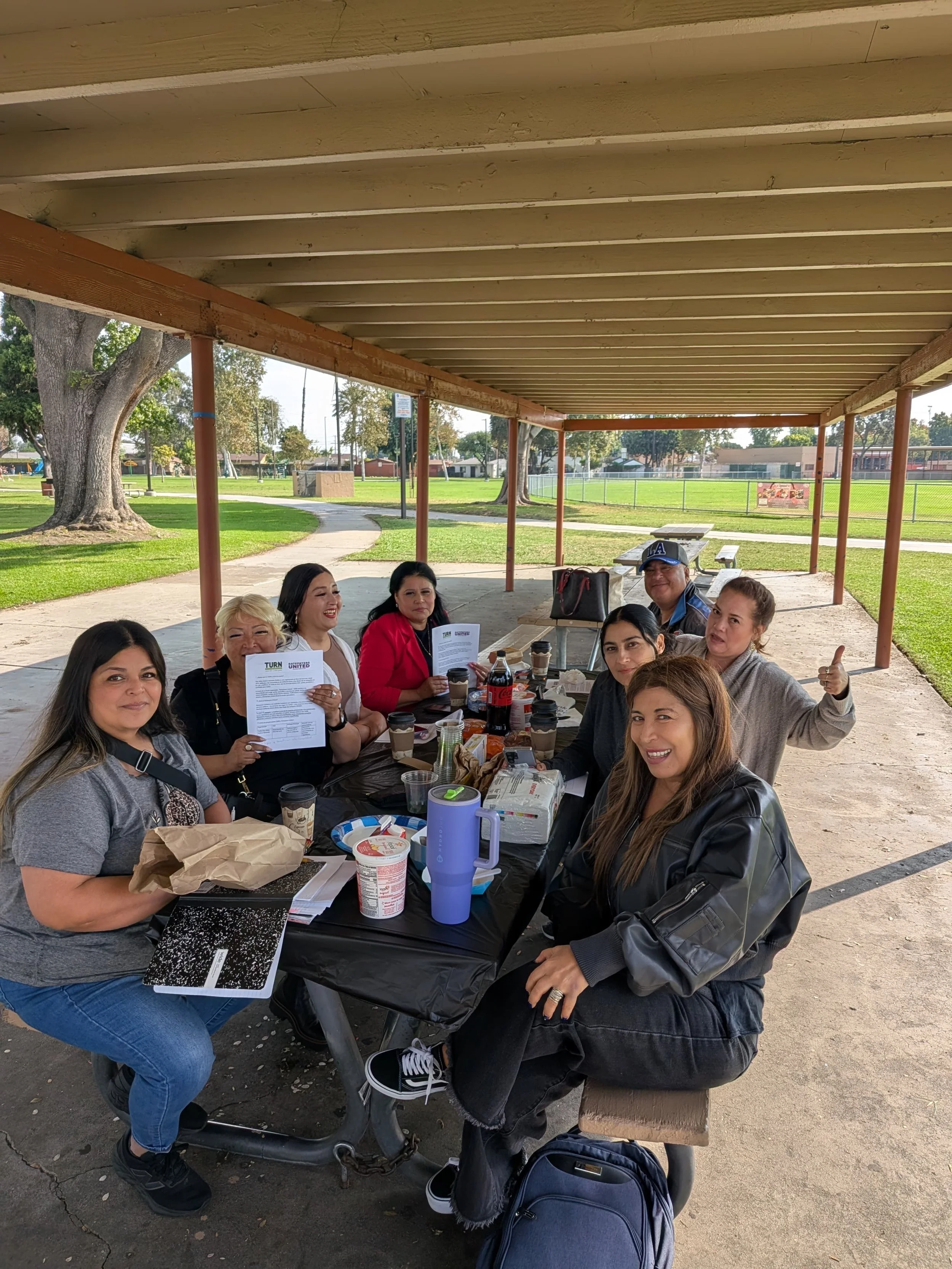
TURN/Ratepayers United attended Centro La Familia Advocacy Services’ Neighborhood Resource Fiesta Night in Fresno County.

Guest speaker Gabriela Sandoval, Deputy Director of The Utility Reform Network at the Sustainable Right to Energy and Economic Justice event September 24th 2026 in New York.

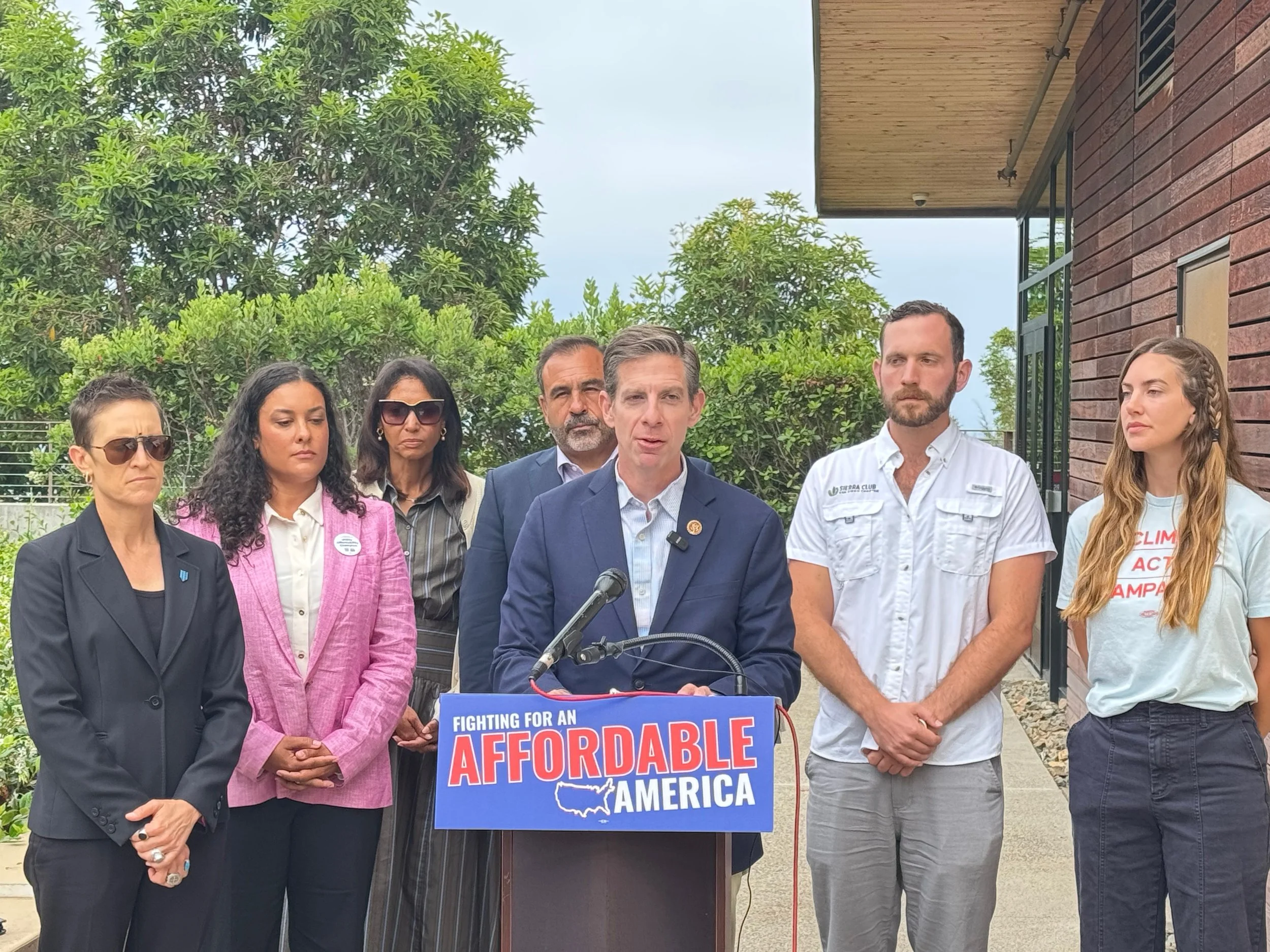
Adria Tinnin, Director of Race Equity and Legislative Policy, joined a roundtable of stakeholders to provide Congressman Mike Levin feedback and suggestions on what can be done at the federal level to achieve utility affordability in California.

TURN Executive Director Mark Toney briefs updates members at an August 2026 Wildfire Legislative Briefing.

Adria Tinnin speaking on a panel about electricity affordability at Advanced Energy United’s California Powers Up.
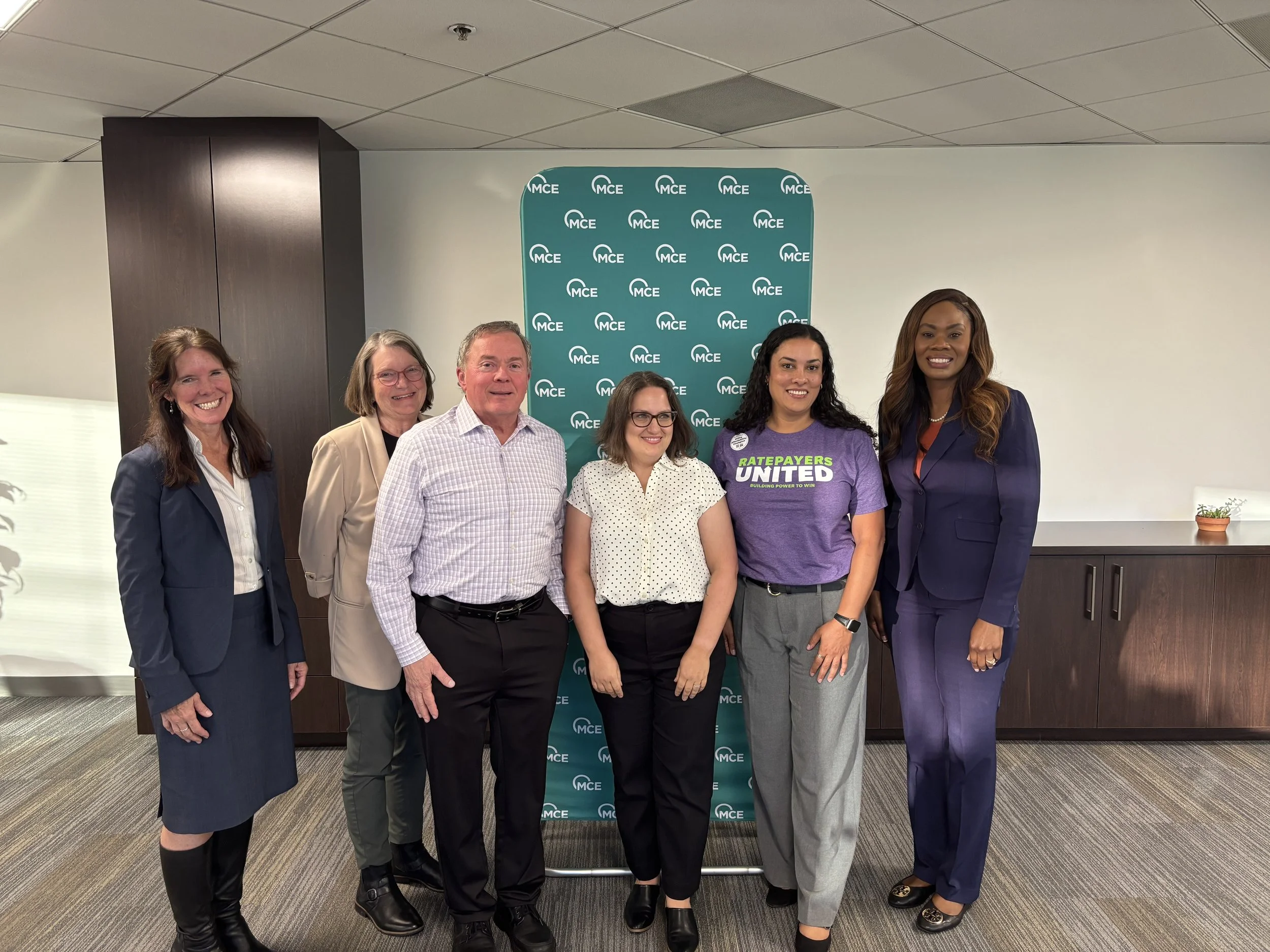
Four Bay Area environmental leaders have been recognized for their outstanding dedication to building cleaner, healthier, and more resilient communities.

TURN's Legislative Champions Awards celebrated key legislators who championed affordable bills and corporate accountability, exercising courage to put the needs of residents and businesses over the greed of corporate profits.
As California races to break its dependence on fossil fuels and expand clean energy, a new power player is emerging: data centers.
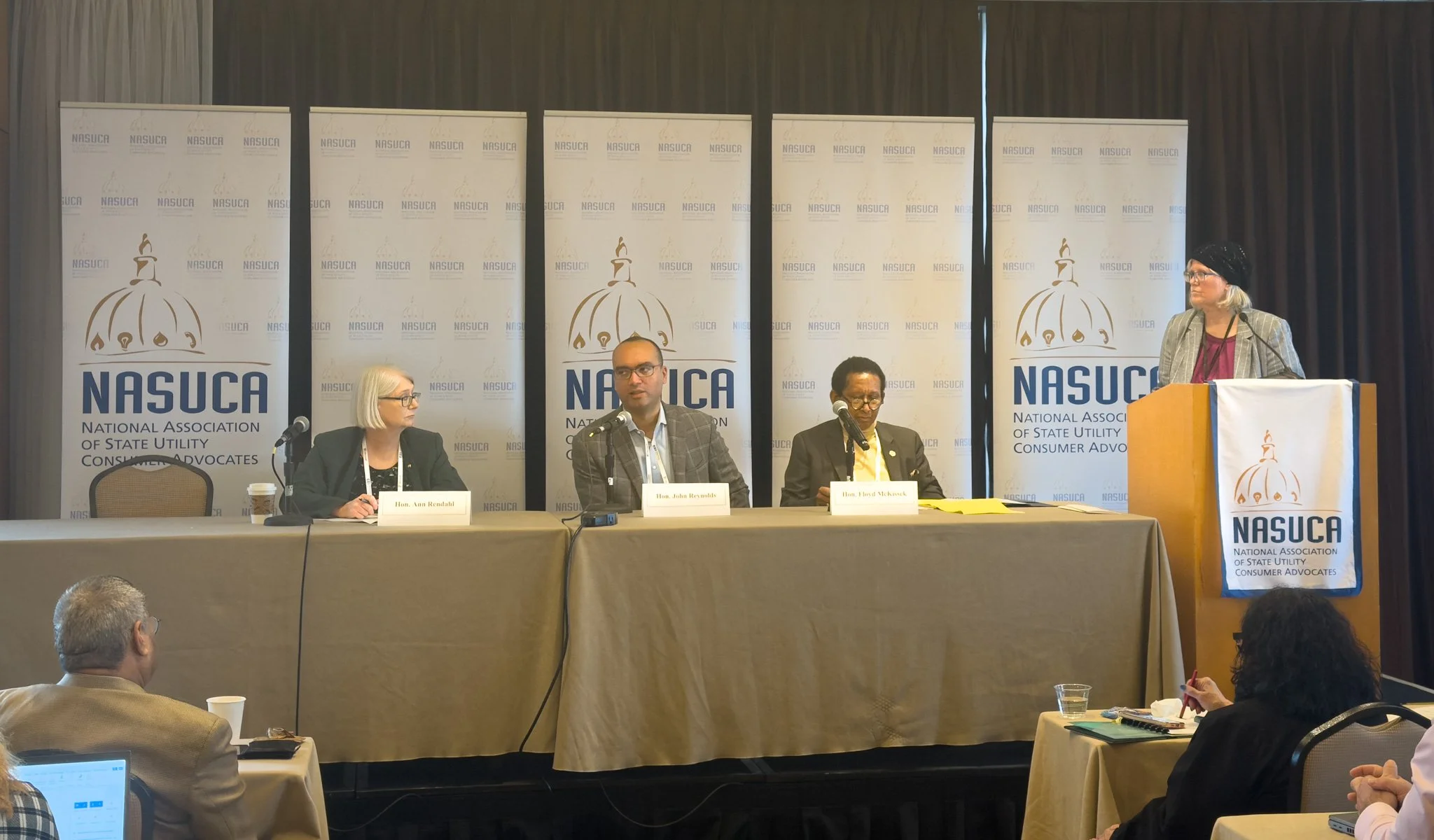
TURN Telecom Policy Director Regina Costa, moderating a panel at a national policy conference in Seattle, with Washington State Commissioner Ann Rendahl, CPUC Commissioner John Reynolds, and North Carolina Commissioner Floyd McKissick.
TURN In Action

he Oakland Black Cowboy Association’s (OBCA) 52nd Annual Parade and Festival brought the Oakland community together to celebrate Black cowboy history, culture, family, and community pride.

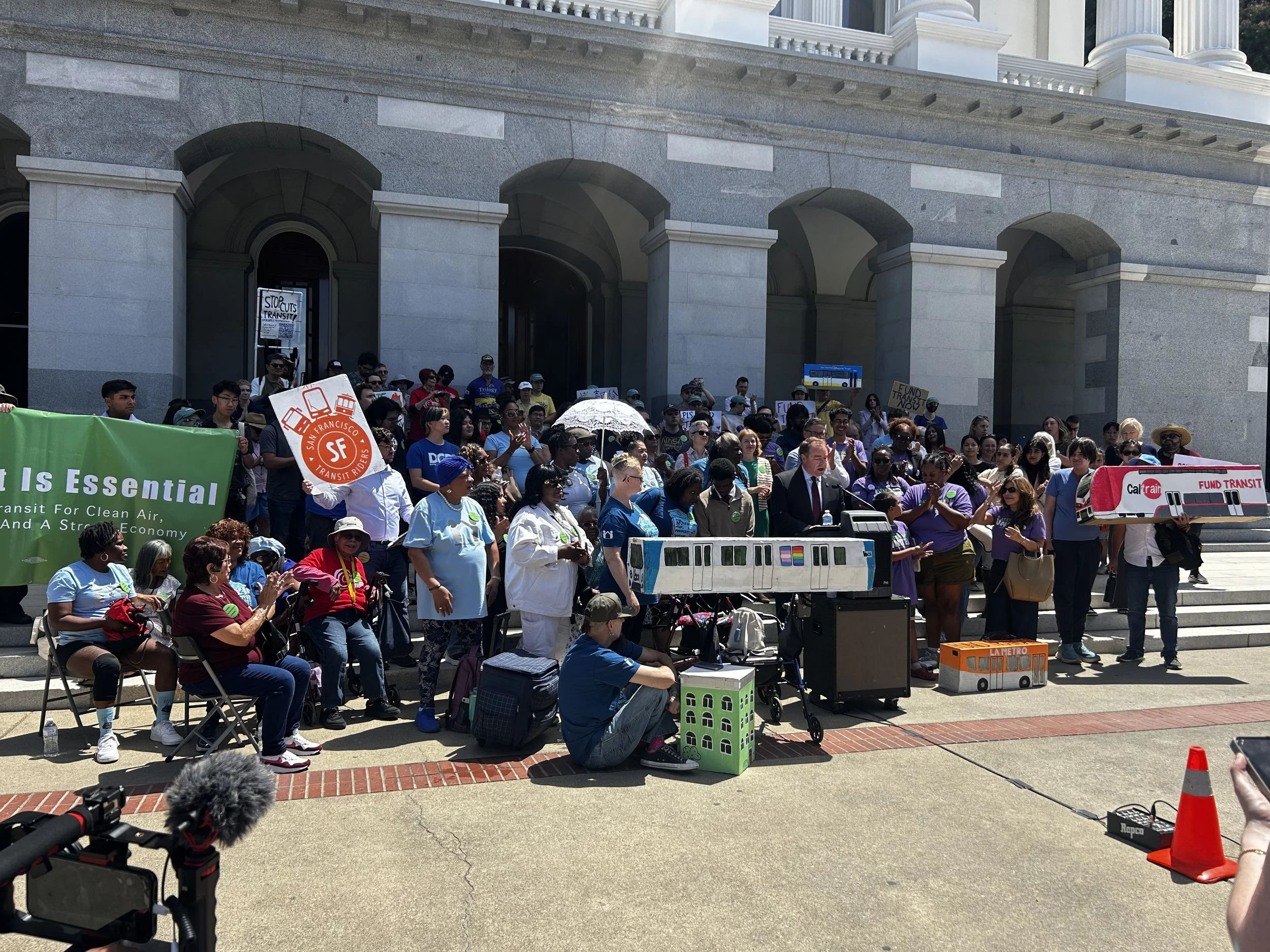
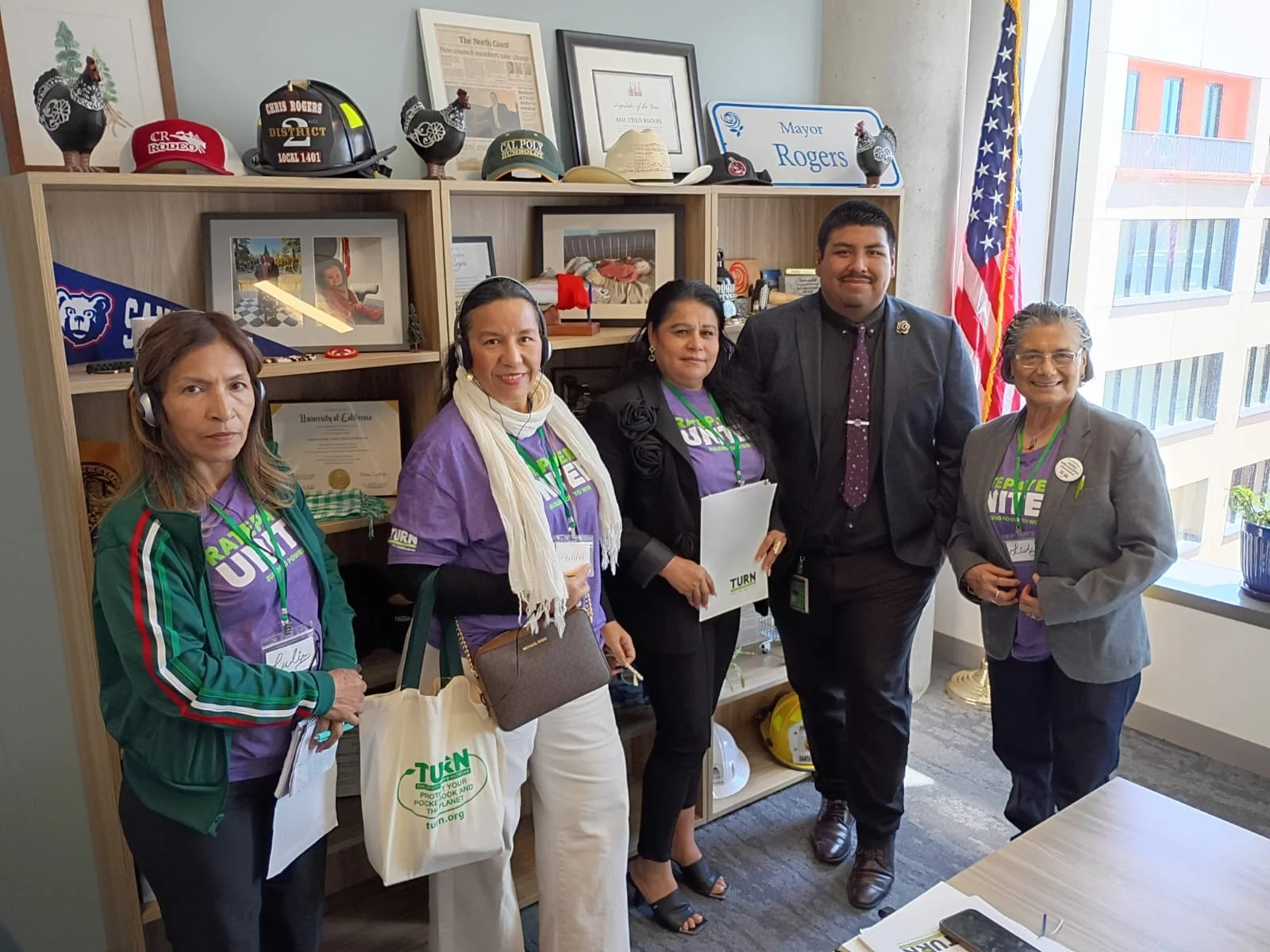
Ratepayers United completed 11 legislative visits with elected representatives and staff, delivering 11 TURN packets outlining TURN’s proposed bills.
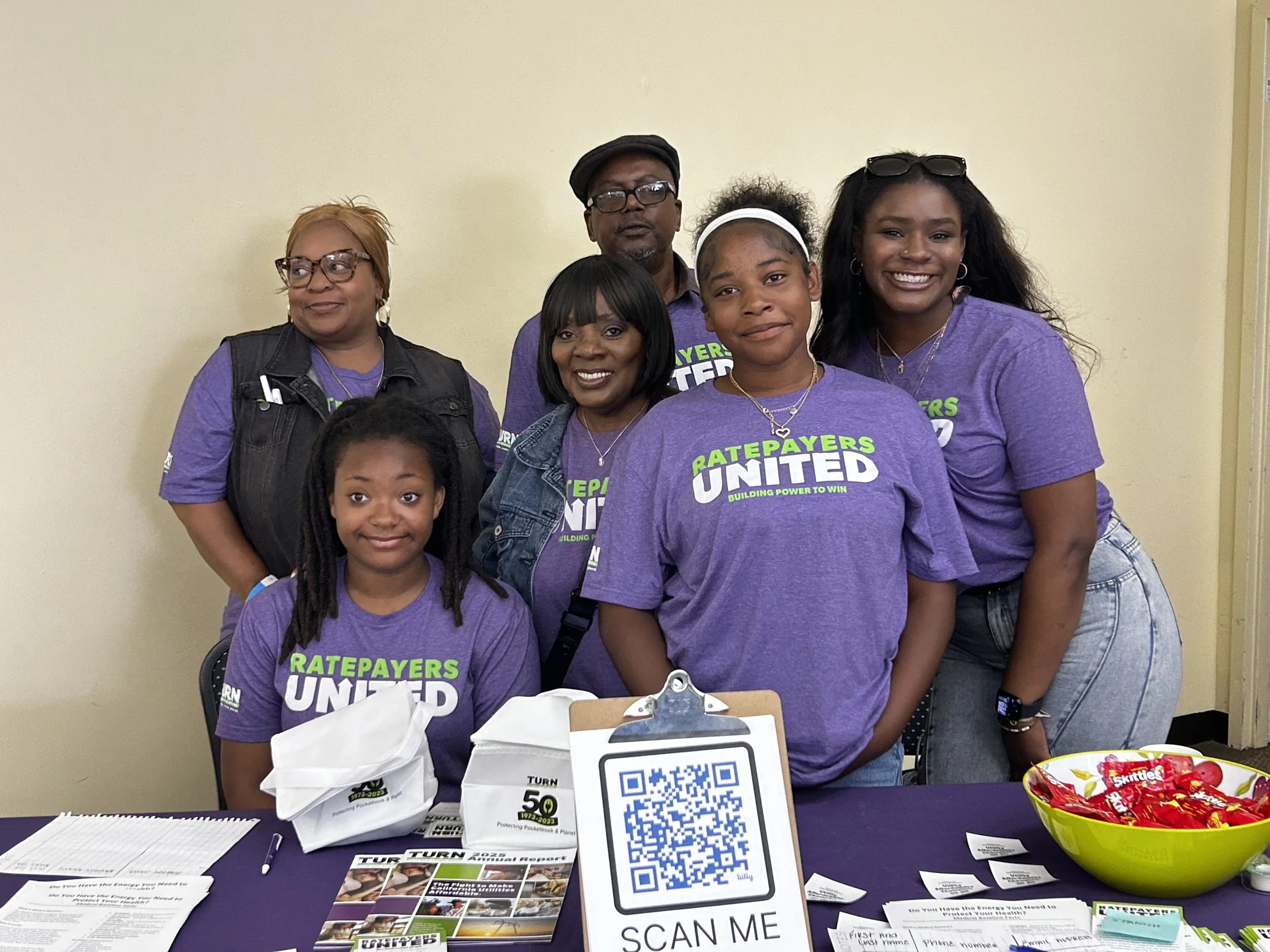
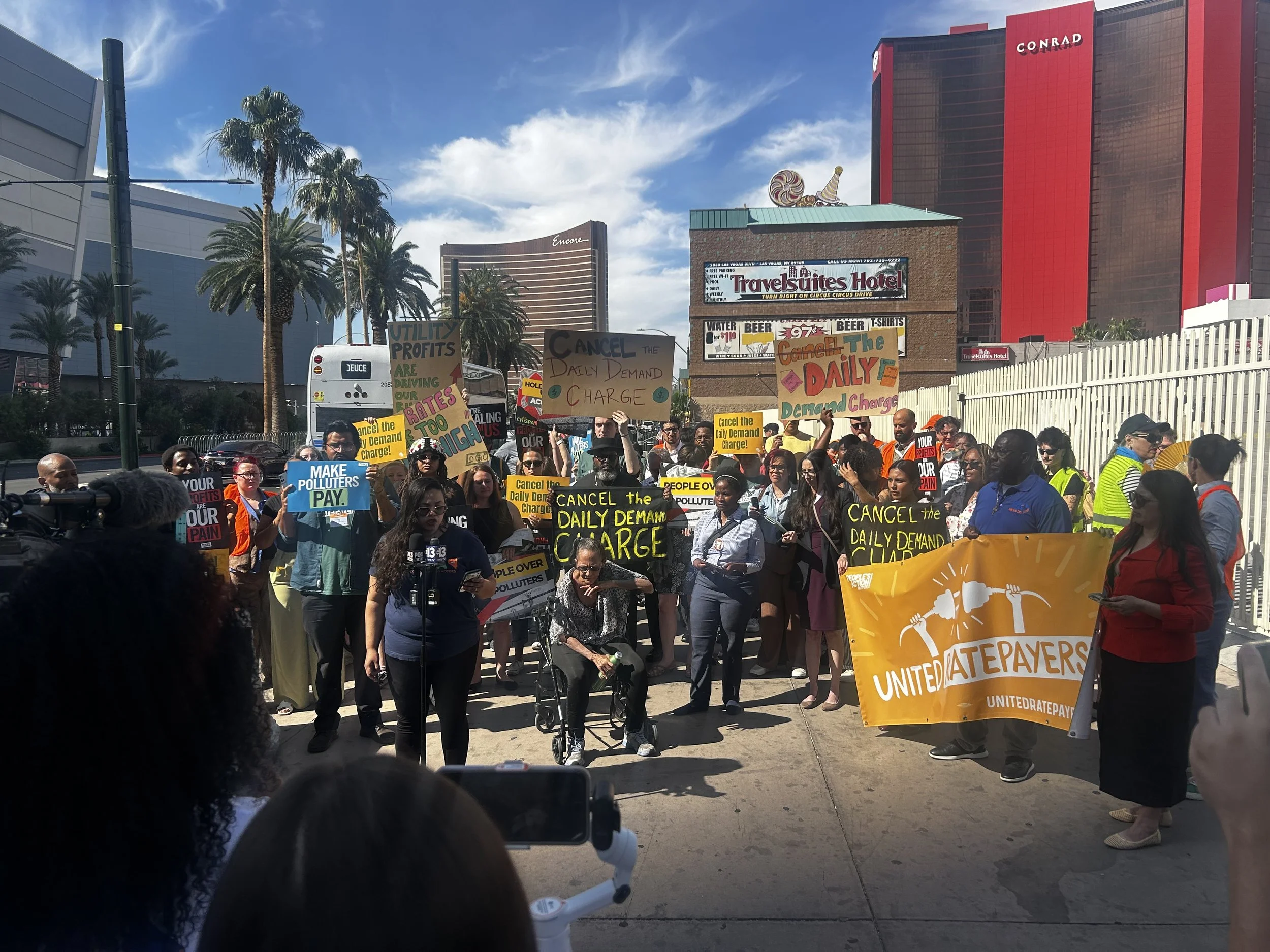
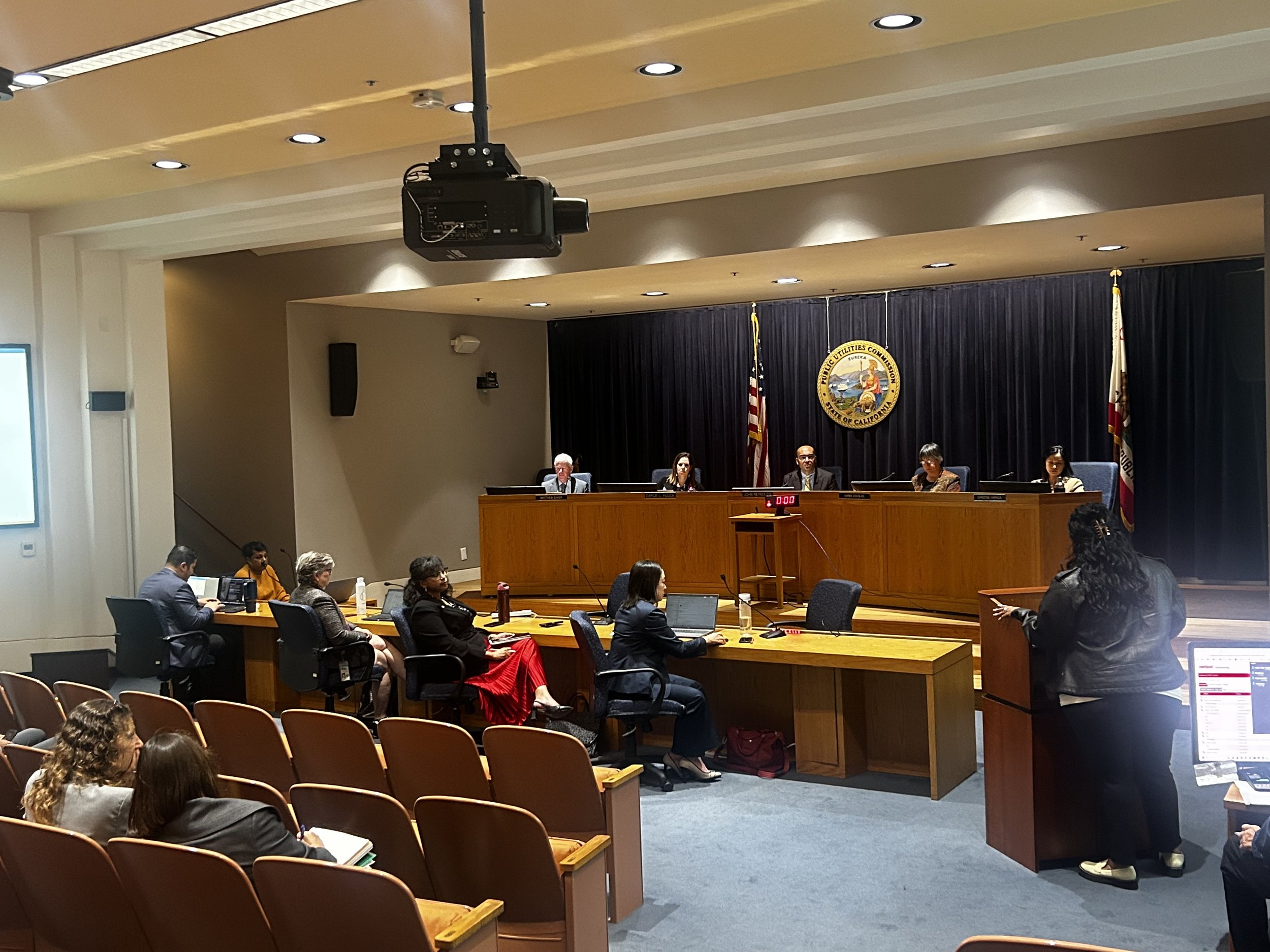
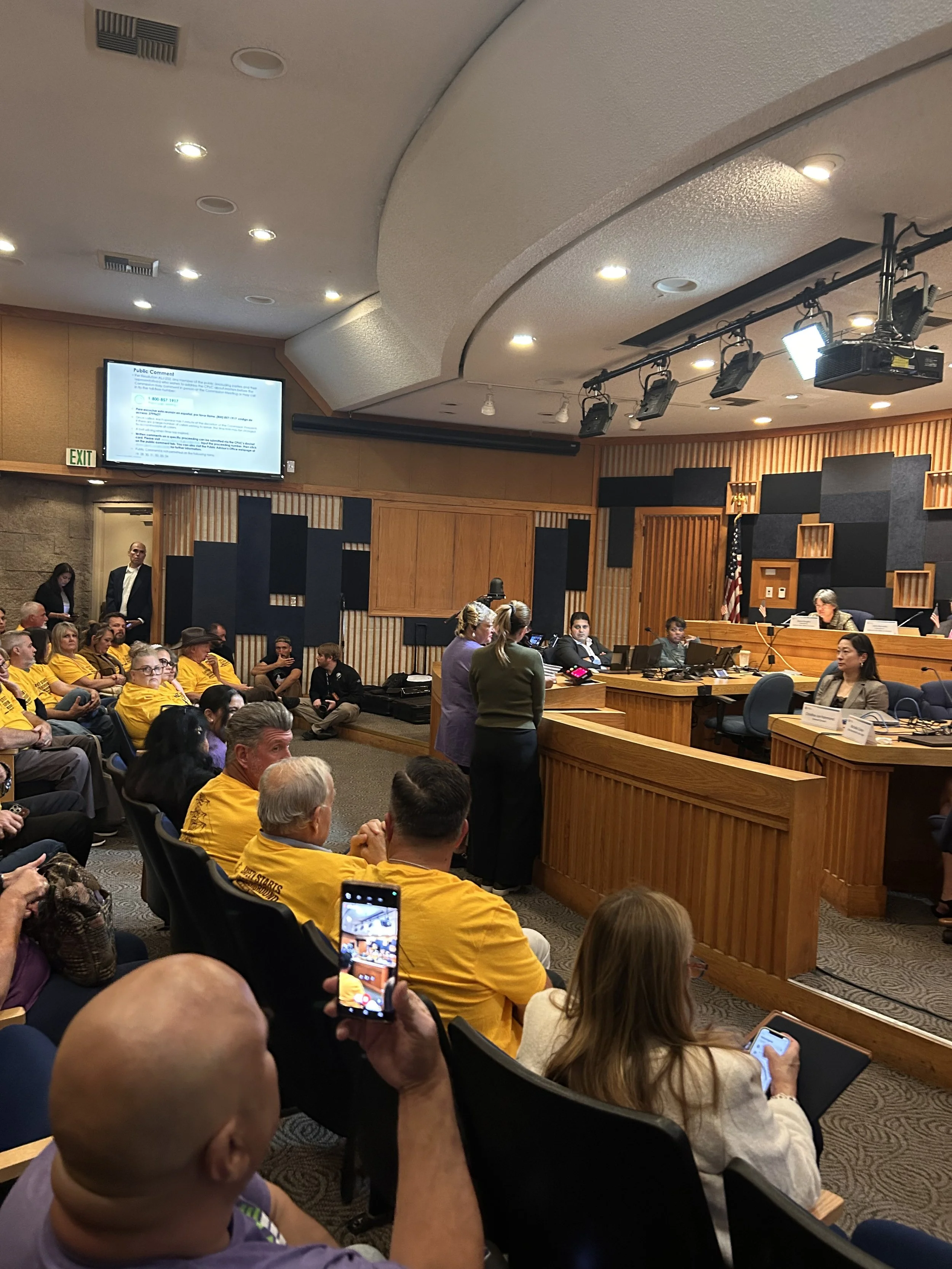
At the recent voting meeting of the California Public Utilities Commission (CPUC), Ratepayers United emphasized the urgent imperative for regulators to uphold and protect the “COLR”.